It’s really hard to write an India itinerary for first timers. India is such a huge and diverse country that can be initially quite overwhelming, there are so many unique places to visit and it’s somewhere that you don’t want to rush, especially if it’s your first time.
A while ago I wrote what I think is the ultimate India backpacking route but I know that not everyone has months to explore India so I thought it was about time I wrote a 2 week India itinerary for those of you with limited holiday time.
I’ve been living in Goa and travelling around India for the best part of a decade and while I’ve seen a lot in that time I still haven’t seen it all – it would take a lifetime to do that! If you only have 2 weeks in India then I don’t recommend that you even try to. What I do recommend is that you see a mix of both north and south though, which is what this 2 week itinerary for India will help you do.

Most short India itineraries just focus on the Golden Triangle route – Delhi, Agra and Jaipur. While this contains some of the most bustling cities and iconic sights of India, you’re only seeing a slice, and the most touristy, chaotic slice at that, of India. I highly recommend going beyond the Golden Triangle and exploring more of India.
One of the things that makes India so special is its diversity – it stretches from the Himalayan mountains all the way down to tropical coastlines. With 2 weeks or 14 days in India, you can explore both the Golden Triangle, Rishikesh (the yoga capital of the world) and head down to the luscious, laid-back south of India, where the pace slows down and you swap chaotic cities and historic monuments for languid backwaters and palm fringed tropical beaches and backwaters.
In this blog I’ll give you what I think is the best 2 week India itinerary after many years of traveling here, as well as all the practical tips you need to help you plan an amazing trip to Incredible India.

This 2 Week India Itinerary at a Glance
Before I dive into the detail, here’s the route I suggest you take for your trip to India:
- Days 1 – 2: Delhi
- Day 3: Agra Day Trip
- Days 4 – 5: Jaipur
- Days 6 – 7: Rishikesh
- Day 8: Fly to Kochi
- Days 9 – 10: Kochi
- Day 11 – 12: Alleppey
- Day 13: Munnar Day Trip
- Days 14: Travel Home
The diversity is the thing that makes this itinerary for India special. You get the history and drama of the Golden Triangle and Rajasthan, spirituality and serenity of Rishikesh and the Himalayas, and then finish off in Kerala where it’s lush, green and relaxing. You’ll see many sides of India in just one trip, which is exactly how you can make the best use of two weeks in India!

Why This Route Works for First Timers
India is overwhelming and intense. That’s not a criticism it’s a fact that even seasoned travellers acknowledge. The noise, the colour, the smells, the sheer density of human life – it’s intoxicating, captivating and exhausting in equal measure. If you have months to spend in India I recommend that you take it slow but with limited time you’ll want a well-structured route and itinerary that allows for some spontaneity but gives you variety without too much chaos.
This itinerary works because it contains the best of both worlds. You start with the north where you’ll explore bustling cities packed with history, get a taste of India’s famous yoga and spirituality scene in the foothills of the Himalayas, and then decompress in the slower, more relaxed south. By the time you are cruising the Kerala backwaters you’ll feel like a different version of yourself than the bleary-eyed, slightly overwhelmed first-timer who landed in Delhi 10 days ago.
It also works logistically. The route minimises unnecessary backtracking, uses established transport links, and keeps each leg short enough to stay manageable. The only long travel day is Day 8 (Rishikesh/ Delhi to Kochi), which is a flight instead of a 3 day train journey but don’t worry there’s also the opportunity to take some Indian trains too which are always an experience.
I’ll include some practical travel tips for visiting India at the end of this blog post but first let’s get on with the itinerary.
My Perfect 2 Week India Itinerary – A Day-by-Day Guide
Days 1–2: Delhi – Ease Yourself Into India’s Capital City
Delhi is the entry point for most people but it’s not an easy city to arrive in. It’s loud, sprawling, and absolutely relentless. But it’s also one of the great cities of the world, layered with thousands of years of history and the perfect introduction to the India that awaits you.
Day 1: A Tour of Old Delhi and New Delhi
When you arrive at Delhi’s Indira Gandhi International Airport (DEL) take a pre booked transfer to your hotel – this is important as there are many taxi scams at the airport and the last way you want to start your India trip is by getting scammed before you even reach your accommodation like I did on my first time. This private Delhi airport transfer is highly rated and includes a friendly driver who will meet and greet you in the airport and take you smoothly to your hotel.
Once you’ve refreshed and are ready to start exploring I recommend starting your India adventure with a full day private tour of Old Delhi and New Delhi. On this top rated Delhi tour you’ll travel in a private air-conditioned vehicle, visit some of the top sights and avoid the hassle of taxis and tuk-tuks.
The tour is perfect for your first day in India and, as it’s a private tour, you can choose from half day to full day options and adjust the itinerary to suit what you want to see. I’m going to focus on the full day tour to make the most of your time but whatever you decide having a local guide will make your first day easier and less overwhelming and will ensure you don’t get lost and scammed.
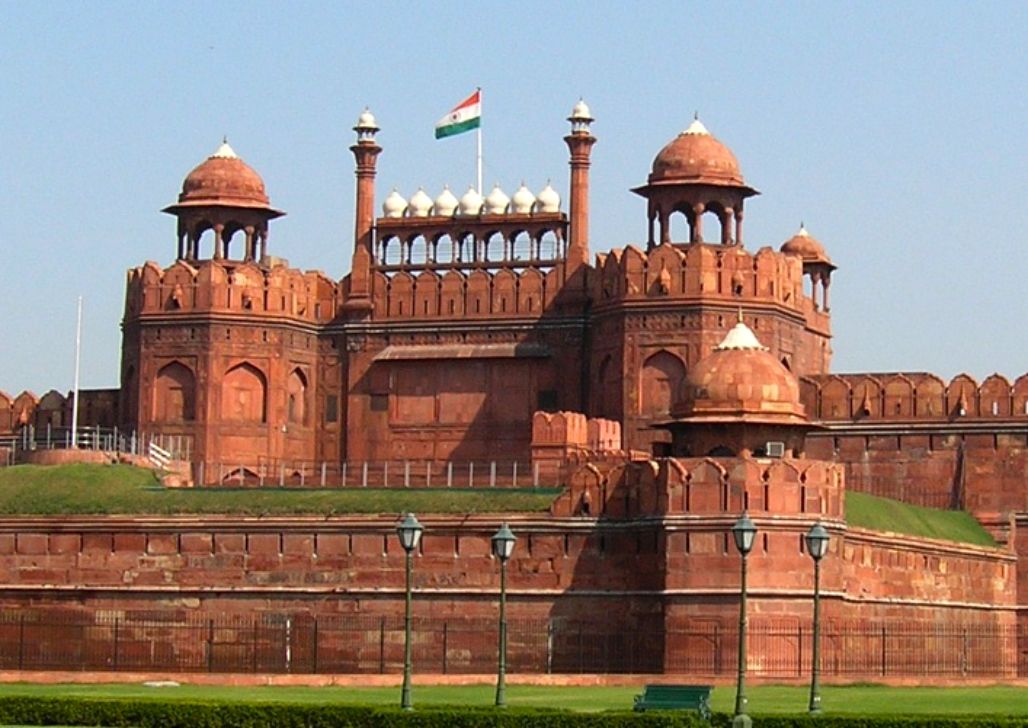
Delhi has such an intoxicating mix of religions and cultures, and you can dive head first into them. Start by visiting the famous Sikh Gurudwara Bangla Sahib, a historic Sikh place of worship believed to have healing powers. Then check out Jama Masjid, one of the largest mosques in India, before seeing the imposing Red Fort, a historic Mughal fort which was the main residence of the Mughal emperors.

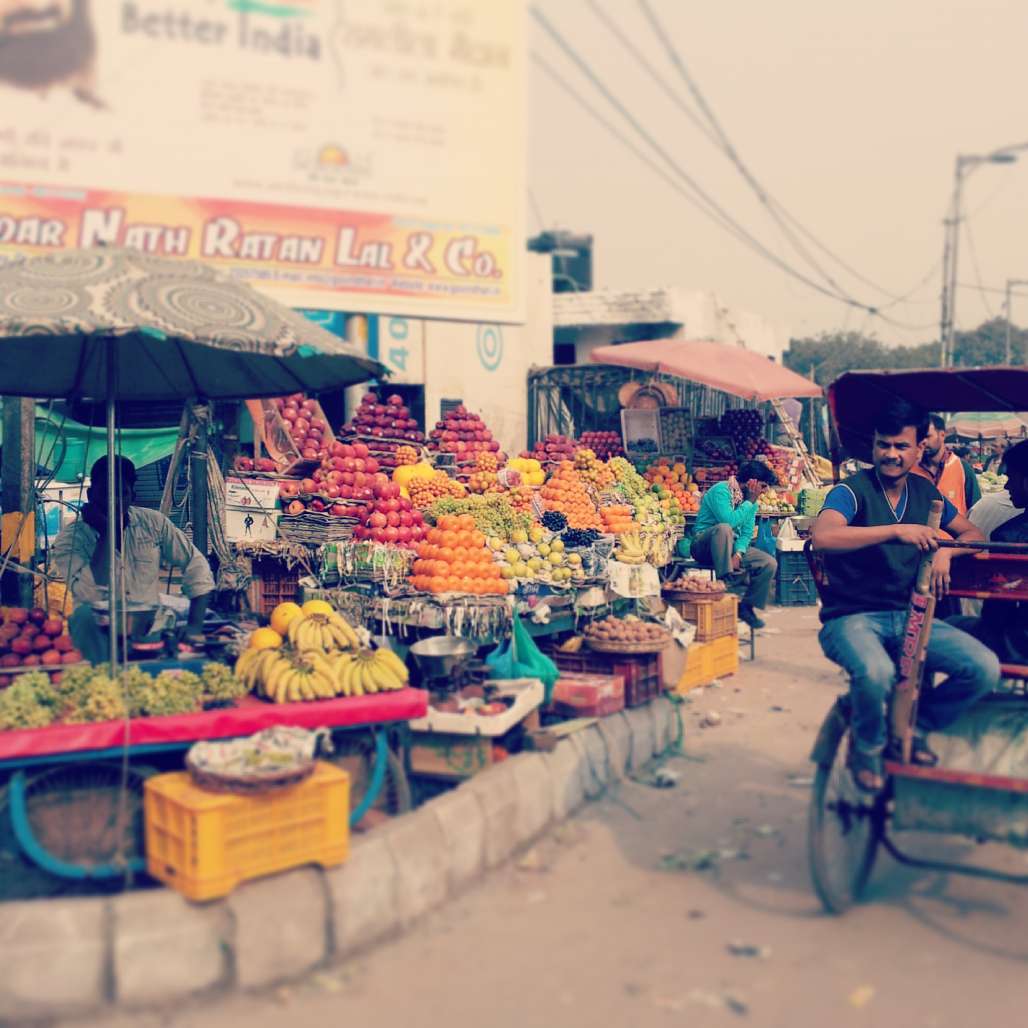
After Jama Masjid and the Red Fort, explore the lanes of Chandni Chowk. This is Old Delhi at its most visceral think cycle rickshaws weaving through crowds, street food vendors frying samosas, chai wallahs, narrow alleys hiding entire markets for spices, textiles, silver. It’s completely overwhelming and wonderful at the same time.
If you take the tour it includes a tuk tuk ride through Old Delhi which is the best way to immerse yourself in the madness. This is also where having a guide really pays off as they’ll help you navigate, avoid scams, and explain what you’re actually seeing which makes it more meaningful and less overwhelming.

Next take a drive through New Delhi, which feels worlds away from the tangled lanes of Old Delhi. New Delhi was designed by the British in the early 20th century, it’s wide, leafy and surprisingly calm. You’ll see grand government buildings around Rajpath including the presidential buildings – Rashtrapati Bhavan. You’ll see the iconic India Gate and admire the English architect Edwin Lutyens’ broad boulevards lined with trees and colonial-era architecture.
After you’ve had a taste of both old and new Delhi, relax and have lunch at Connaught Place, an elegant ring of colonnaded colonial Georgian-style buildings where you can eat at some of the best restaurants in Delhi to refuel before more sightseeing.
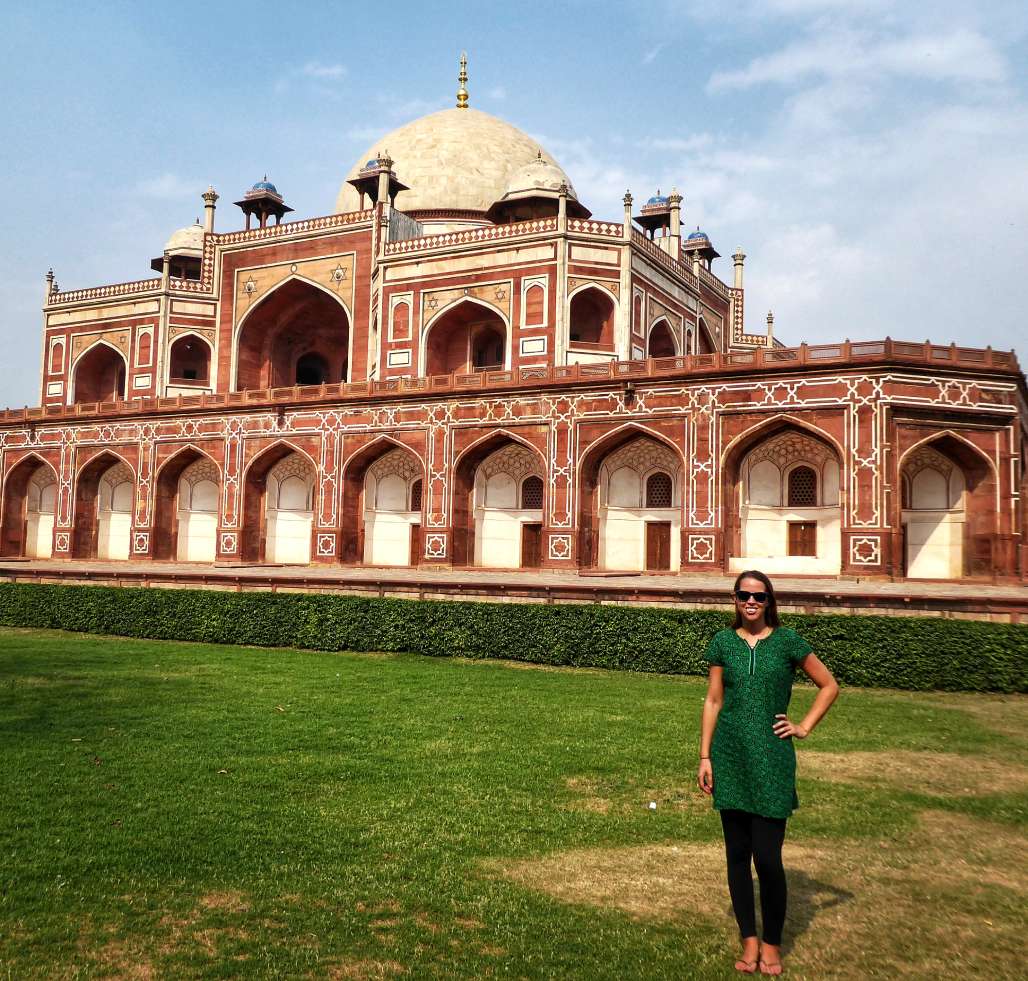
In the afternoon visit Humayun’s Tomb, it’s a UNESCO world heritage site and the architectural precursor to the Taj Mahal, and in many ways it’s all the more beautiful for being less visited. The lush gardens are peaceful, the Mughal craftsmanship extraordinary, and it’s a far more meditative experience than the Taj Mahal itself. You can also visit the haunted Agrasen ki Baoli and make a quick stop at The Lotus Temple nearby, a modern Baháʼí House of Worship, open to all faiths, with a distinctive lotus leaf design.
For dinner, head to Karim’s near Jama Masjid for some of the best Mughlai food in Delhi – the nihari and seekh kebabs are legendary. Then you’ll probably want an early night after the sensory overload of your first day in Delhi!
As it’s your first day in India I’d advise against exploring independently or trying to do too much as you’ll likely still be tired from the flight and adjusting to the new culture. The last thing you want is to get scammed on your first day!
Day 2: The Other Side of Delhi
Day 1 is all about the famous sights of Delhi, so on Day 2 it’s time to slow things down and experience a different side of Delhi – one that’s greener, calmer, and often overlooked.
On day 2 you could explore independently at your own pace, using the excellent metro or Uber to get around. It’s a chance to wander through leafy parks, browse local markets, and visit a few more incredible historical sights without the intensity of a full day of must see sights, sounds and smells.
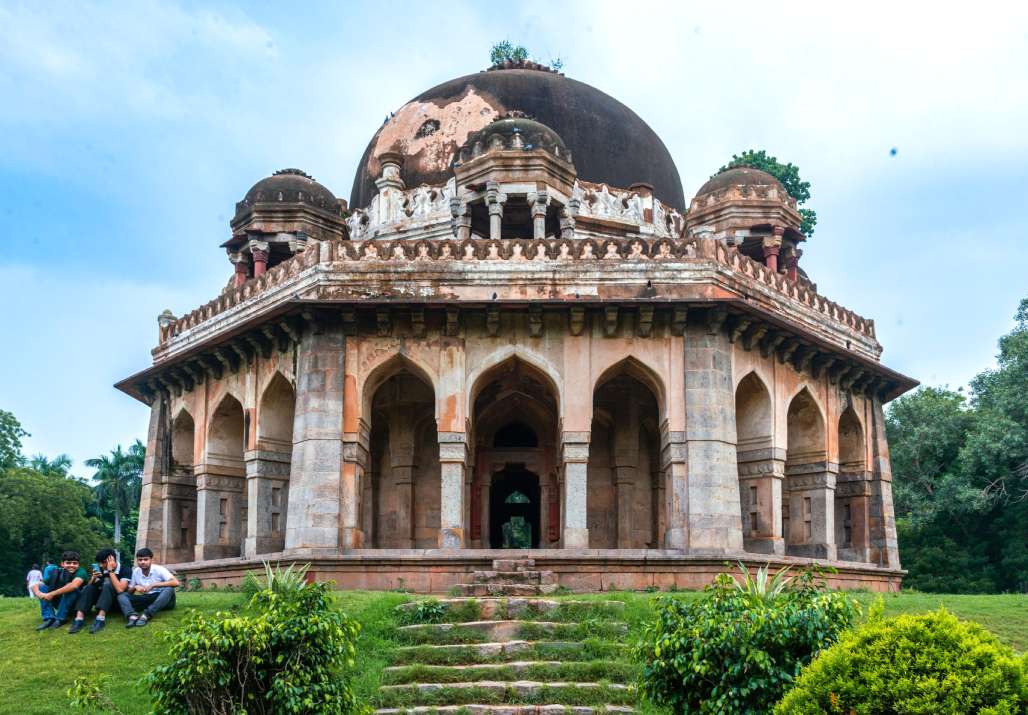
Start your morning with a leisurely walk through Lodhi Gardens, a peaceful park dotted with centuries-old tombs. It’s a world away from the chaos of Old Delhi and a lovely place to ease into the day. Just across the road, you’ll also find Safdarjung Tomb, which is also well worth a quick visit. Compared to the more famous Humayun’s Tomb, these sites feel much quieter, giving you space to slow down, relax, and really take it all in.
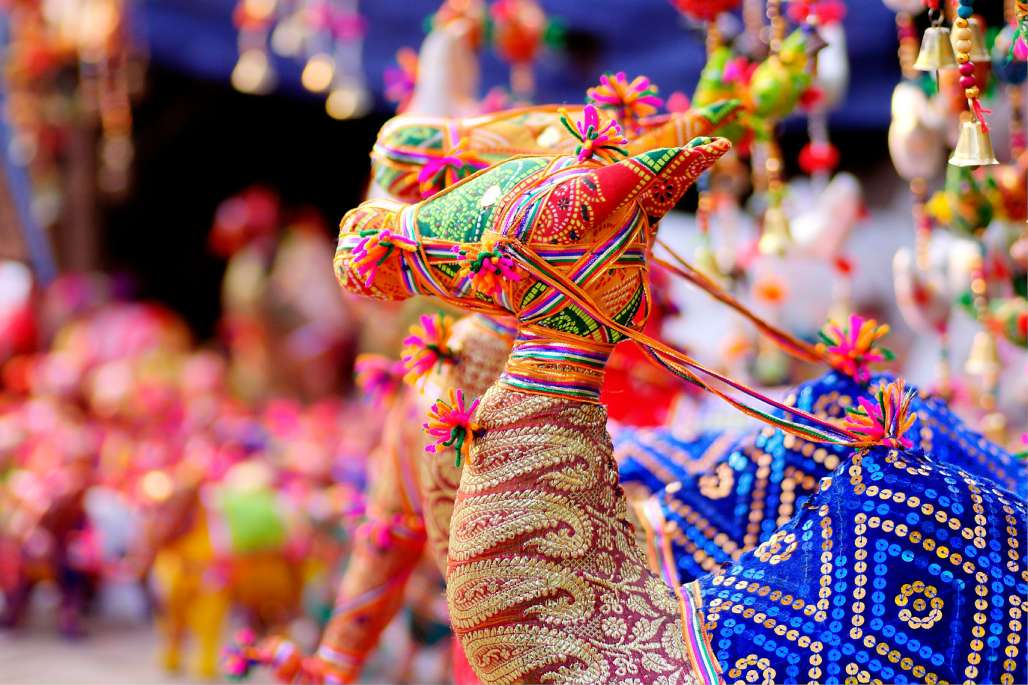
From here, head to Khan Market if you fancy a relaxed brunch or a bit of shopping. It’s one of Delhi’s most upmarket areas, with plenty of great cafés, boutiques, and bookshops. Alternatively, for something more traditional, you could visit Dilli Haat, a curated craft market where you can browse handicrafts and try regional dishes from across India.
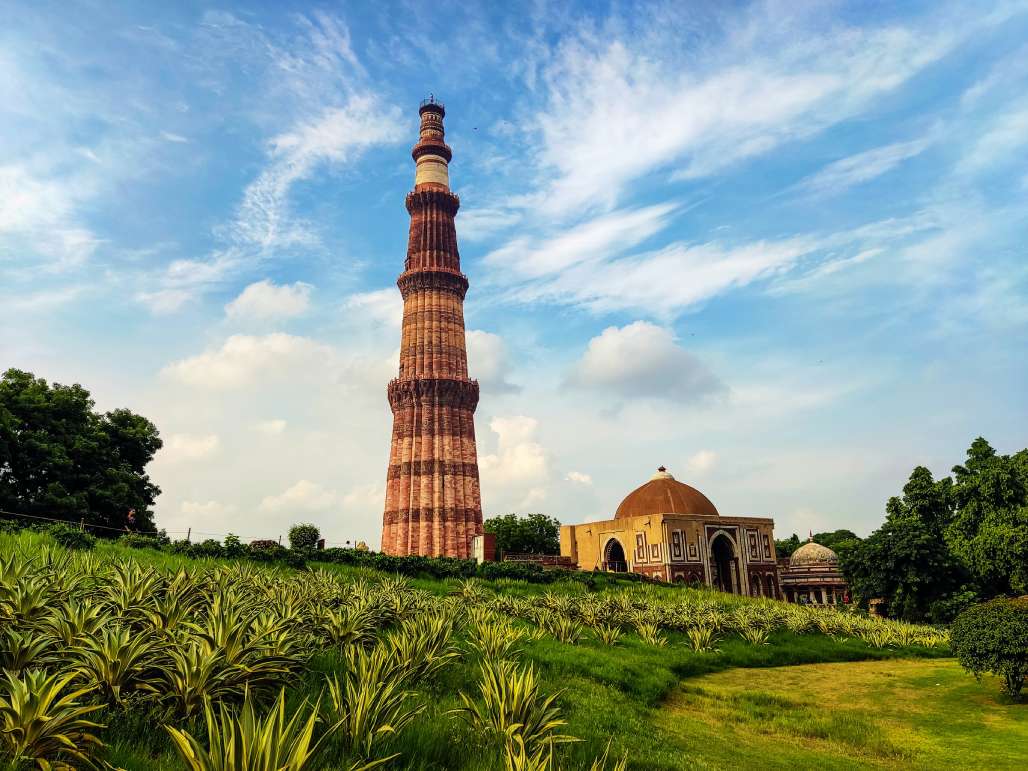
In the afternoon, continue to Qutub Minar, a towering UNESCO-listed minaret and one of the most striking landmarks in the city. Built during the Delhi Sultanate, it’s surrounded by atmospheric ruins that make it one of the most unique historical sites in Delhi and a must see.
Later on, head over to Hauz Khas Village, where medieval ruins sit alongside a lake and a mix of upmarket cafés, galleries, and boutiques. It’s a great place to wander, grab a drink, relax and enjoy a slightly more creative, modern side of the city.
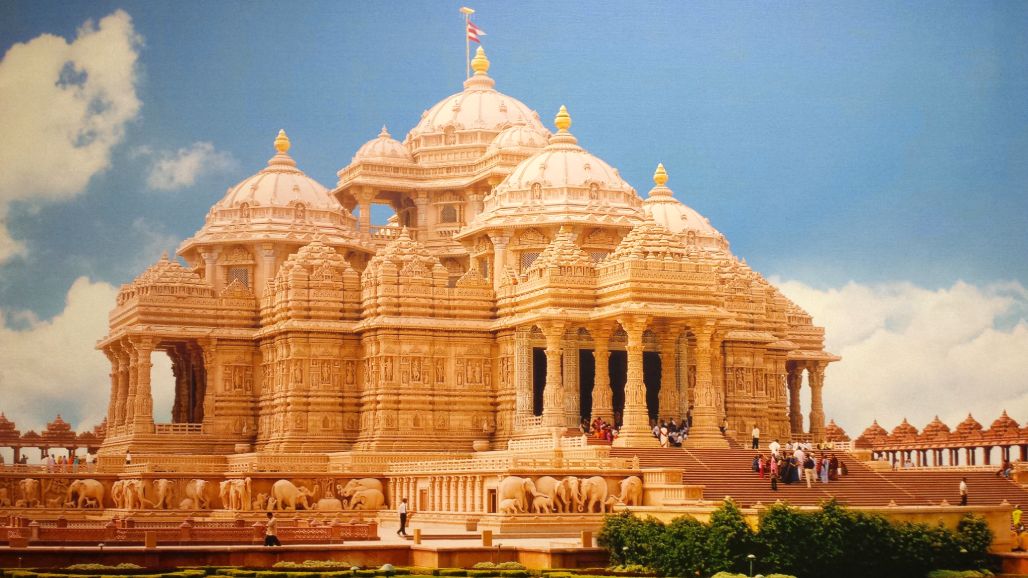
In the evening, make your way to Swaminarayan Akshardham Temple, a vast and intricately designed modern temple complex. Try to arrive in time for the light and musical fountain show at 7.30 pm which is a memorable way to end your time in Delhi.
Where to Stay in Delhi
There’s no shortage of accommodation in Delhi but picking the right base for your first couple of days in India is key to having a good experience so choose wisely.
Paharganj, near New Delhi Railway Station, is the classic backpacker area, it’s budget-friendly with plenty of hostels and cheap guesthouses and restaurants but it’s also quite dirty and chaotic, plus you’ll need to watch out for scams in this area.
If you’re after a more comfortable and less chaotic experience consider a mid range hotel near Connaught Place, Janpath, Karol Bagh or Nizamuddin or a homestay or upmarket hotel in New Delhi or South Delhi near Hauz Khas. Aerocity, near the airport, is also a good, safe pick with international hotel chains perfect for relaxing after a long flight.
Here’s some of my top picks:
Budget
- Zostel Delhi – India’s first brand of fun and funky hostels is located opposite New Delhi Railway Station and offers dorms and private rooms, colourful common rooms and a rooftop bar.
Mid-Range
- Bloomrooms @ Janpath – a bright, modern boutique hotel tucked down a quiet lane just off Janpath, offering compact but spotless rooms, free snacks and drinks on every floor and a five minute walk to the metro and Connaught Place.
Luxury
The Imperial New Delhi – a colonial-era landmark on Janpath with palm-lined gardens, Art Deco interiors and a serious art collection, offering grand heritage rooms, four restaurants and a five minute walk to Connaught Place.
Top Tip – If you don’t want the hassle of sorting out your own accommodation, transport and sightseeing for the first part of your trip then there are many short Golden Triangle tours that include a private driver, guides and hotels. Booking a package like this 4 day Private Golden Triangle Tour will ensure an unforgettable and stress free trip that visits all the highlights and is the best way to see the most of India in just a few days. Just be aware that meals and entry tickets often have to be purchased separately though so don’t forget to budget for this.
Day 3: Agra – More Than The Taj Mahal

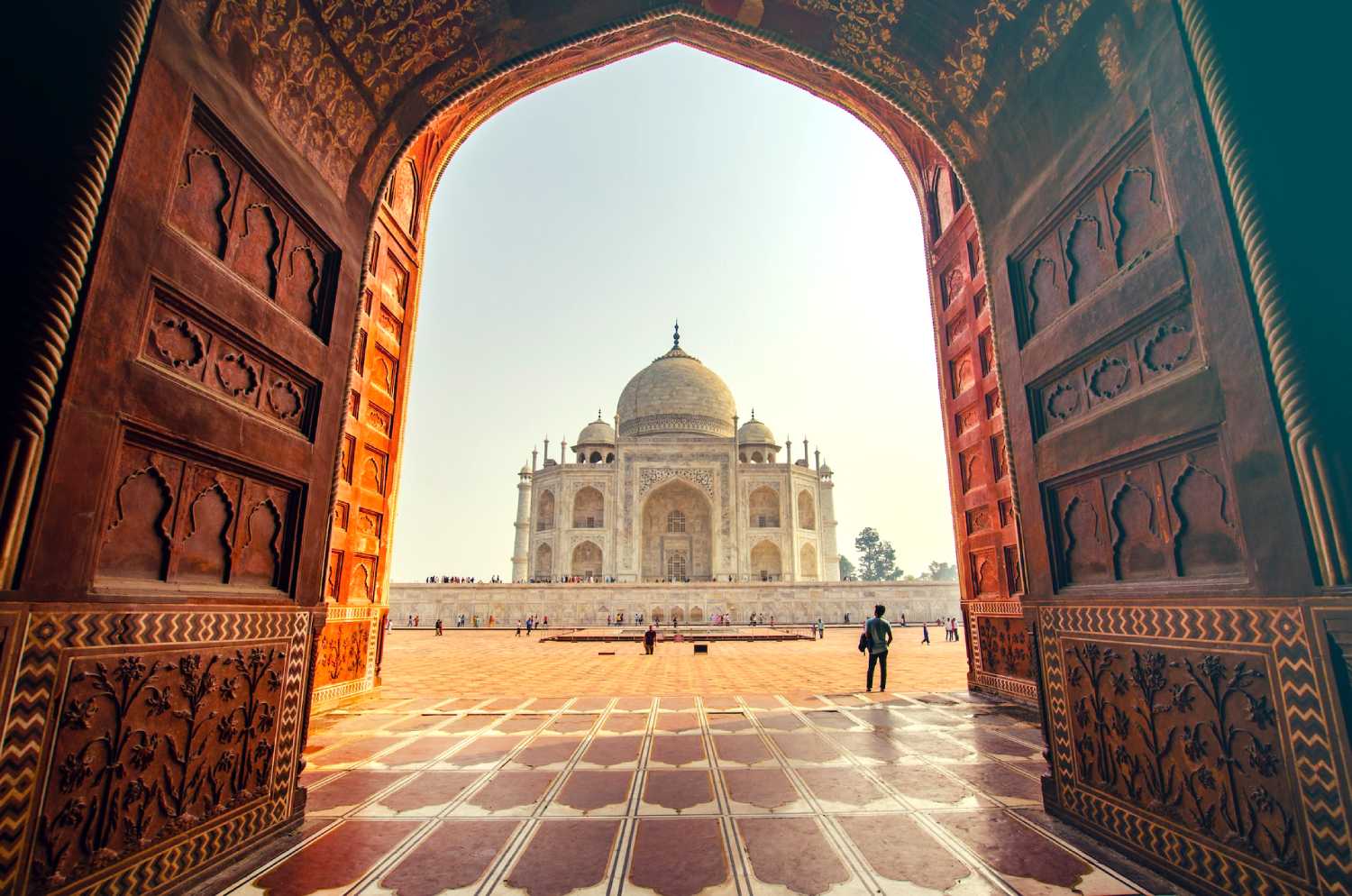
Agra is most famous as it’s home to the Taj Mahal, one of the wonders of the world, which no India itinerary would be complete without. The Taj Mahal is a symbol of love made by Shah Jahan in 1632 for his beloved wife Mumtaz Mahal who passed away while giving birth to their 14th child! It is one of those rare places that actually lives up to the hype. I’ve been several times and it still leaves me speechless, especially when visited at sunrise.
If you only have 14 days in India then I recommend visiting the Taj Mahal on an Agra day trip from Delhi as it will save you time. The sun rises between 5.30 AM and 6.30 AM so it will be an early start but it’s worth it. In the early light, with few crowds and a mist often sitting over the Yamuna River, the Taj looks magical and ethereal – my photos don’t do it justice.

There’s also plenty of other things to see and do in Agra, the city is home to no less than 3 UNESCO world heritage sites – The Taj Mahal, Agra Fort and Fatehpur Sikri. Just adjust your expectations, Agra may be home to one of the most beautiful buildings in the world but it’s a bit chaotic and not the most beautiful city. Still, it’s unmissable.
If you want to see the Taj Mahal at it’s most magical (at sunrise) then I recommend taking this Sunrise Agra tour on day 3 of your India trip. This early morning tour will pick you up at your hotel in Delhi and take you in a private air conditioned car to Agra where you’ll make a beeline for the famous Taj Mahal where you’ll watch the sunrise and learn about the history behind the monument before enjoying lunch at a 5 star hotel.

After lunch you’ll visit Agra Fort, a massive red sandstone structure built in the 16th century by the Mughal emperor “Akbar”. It’s another UNESCO heritage site that is well worth seeing. It was the seat of Mughal power before Delhi and it’s where Shah Jahan was imprisoned by his son Aurangzeb, with a view across the river to the tomb he built for his wife. It’s a melancholy story, and the guide tells it well.
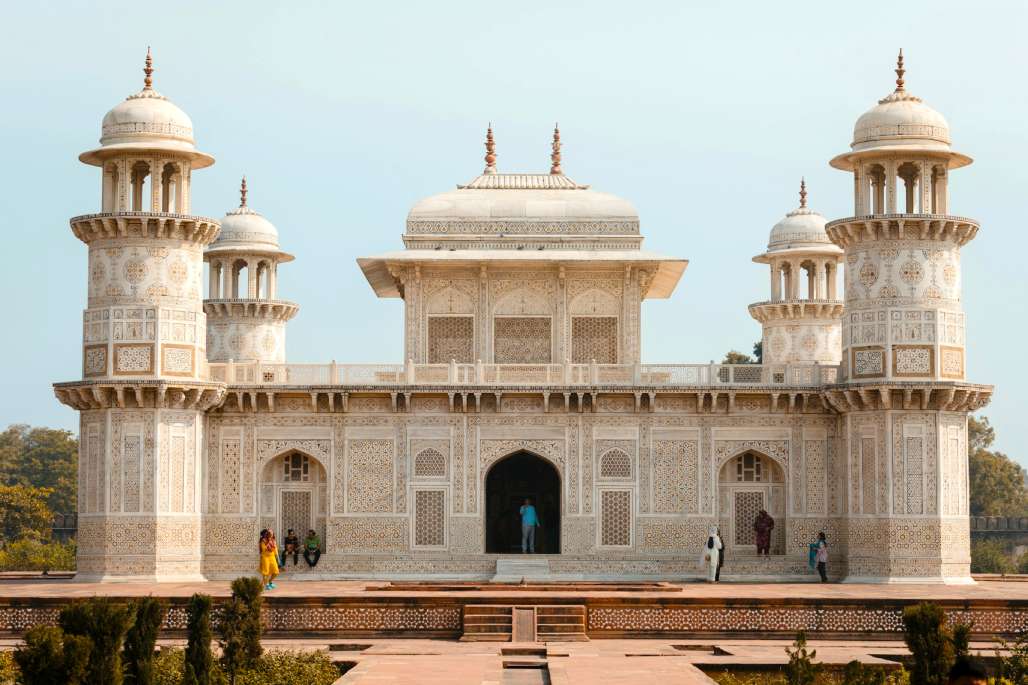
Later in the afternoon you can visit the Baby Taj – this is the tomb of I’timād-ud-Daulah and is often regarded as a draft of the Taj Mahal.
Once you’ve seen all the highlights of Agra you’ll be driven back to your hotel in Delhi. You’ll probably be pretty tired after your early start and day in Agra so again, I wouldn’t plan anything more than a relaxed dinner in your hotel this evening.
Top Tip – If you don’t want to take a tour make sure you book your train tickets and entry tickets in advance. Book train tickets on 12 Go Asia and Taj Mahal entry tickets at the Taj Mahal Archaeological Survey of India website – queues for walk-up tickets can be long and slow moving. When planning your itinerary, bear in mind that the Taj is closed on Fridays.
Days 4 – 5: Jaipur – The Pink City
Jaipur, also known as ‘The Pink City’, is the capital and soul of Rajasthan – think opulent palaces, imposing forts, colourful bazaars, dusty camels, and more shades of pink than you thought possible.
Jaipur was founded in 1727 by Maharaja Sawai Jai Singh II, who designed it as a planned city – one of the first in India. It’s laid out on a grid system inspired by ancient Hindu architectural texts, and it went on to become the capital of the Rajputana region. Jaipur earned its nickname the Pink City in 1876 when its buildings were painted terracotta pink to welcome the Prince of Wales.
Jaipur completes the Golden Triangle and two days is enough here if you’re strategic about it and make use of a private guide for one full day tour as some of the sights are quite spread out.
Day 4: Arrive in Jaipur
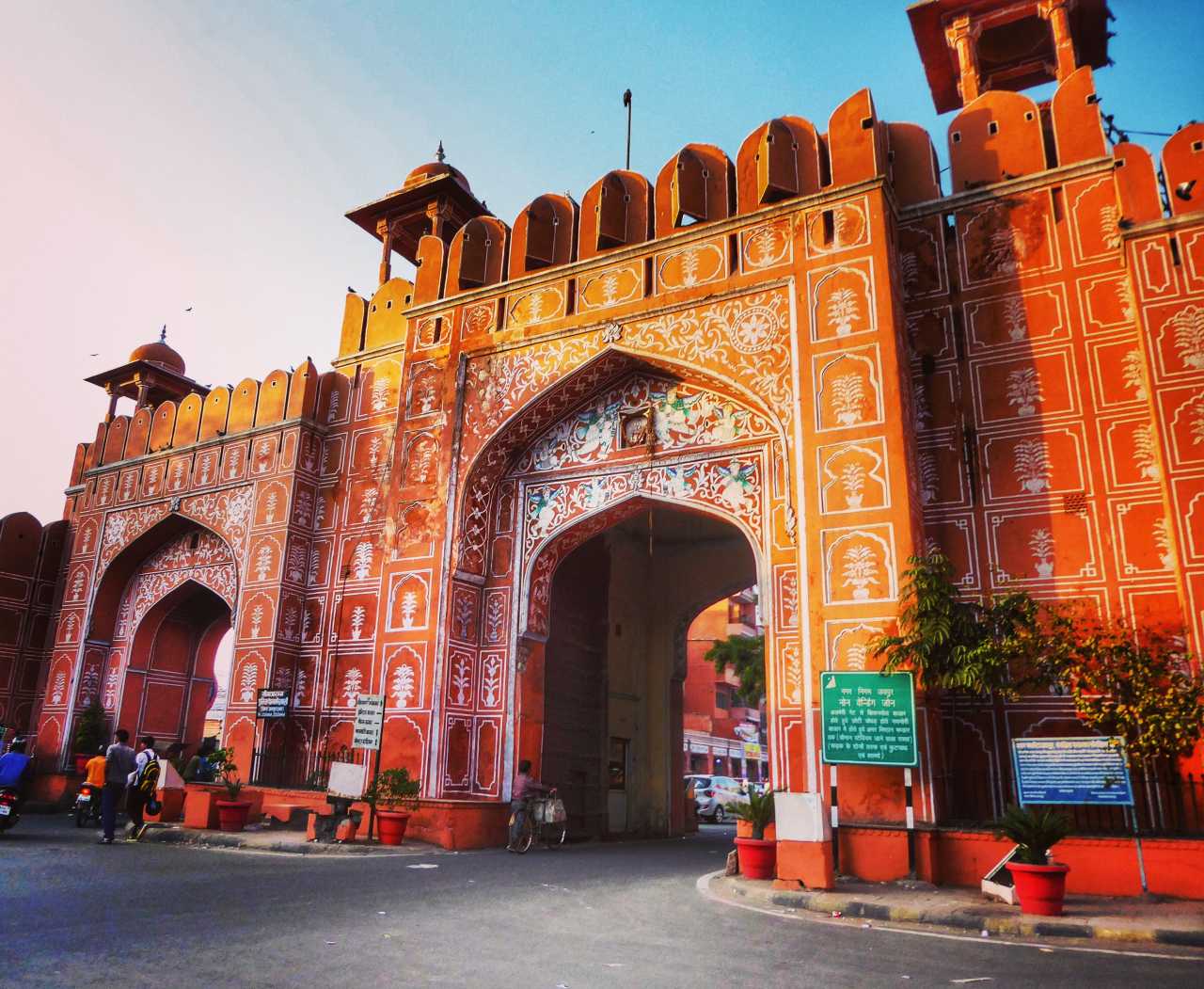
On day 4 of your India itinerary travel to Jaipur. The train from Delhi to Jaipur takes about 4 – 5 hours so use your first day to settle into your hotel, wander the pink city lanes and explore the bazaars and take it easy before a big day of sightseeing tomorrow.
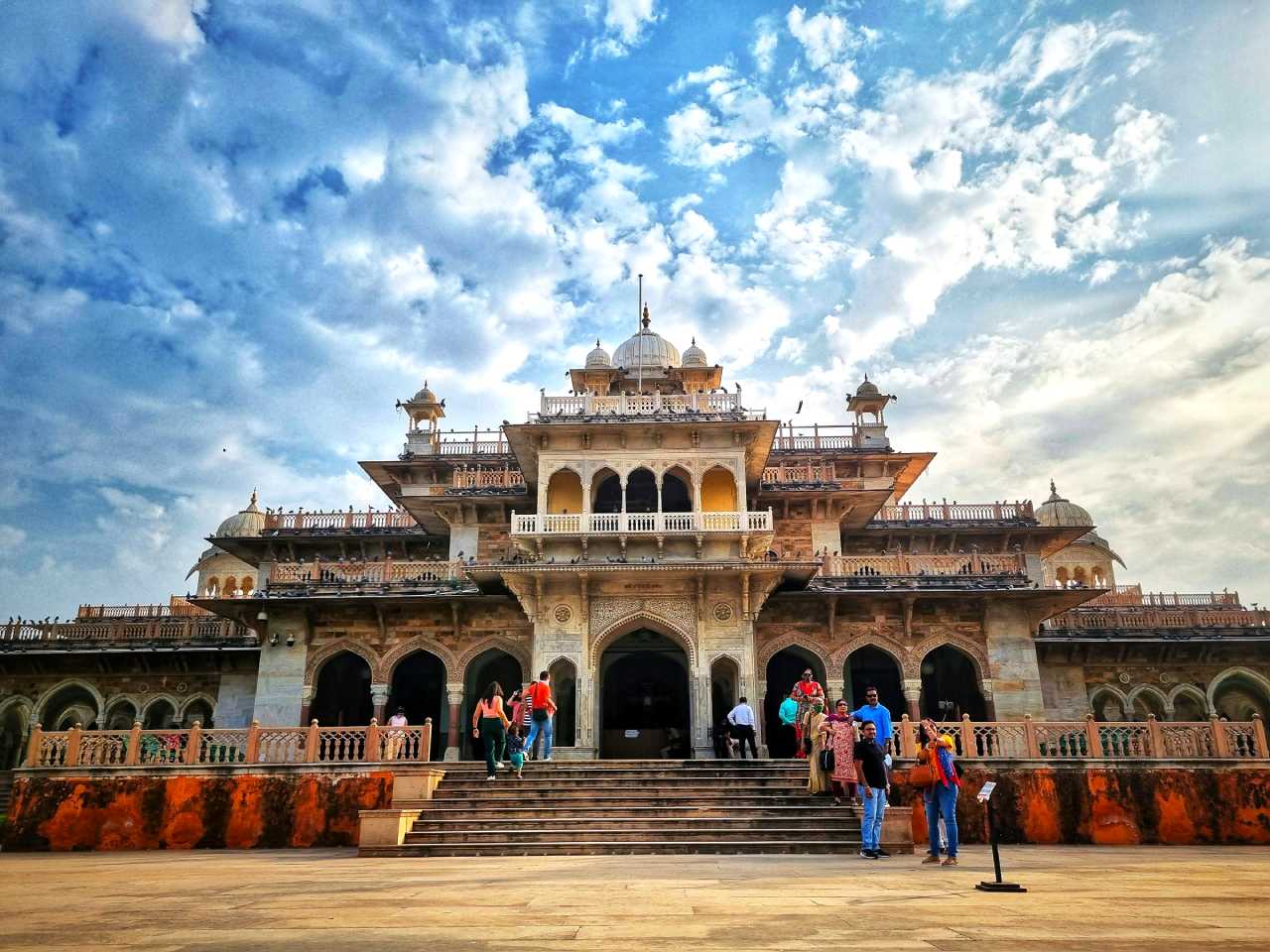
One of the best things to do on your first day in Jaipur is to head to the Albert Hall Museum. This is Rajasthan’s oldest museum situated in a gorgeous Indo-Saracenic building in Ram Niwas Garden, and it provides exactly the kind of cultural and historical grounding you want before tackling the forts and palaces the next day. The collection spans royal costumes, Rajput weapons, ancient coins, paintings, carpets, and an Egyptian mummy. The building itself is as much of a draw as what’s inside.
Afterwards head into the old city for a wander through Johri Bazaar – Jaipur’s famous jewellery and gemstone market. The late afternoon is when the bazaar really comes alive and the lanes fill with traders, shoppers and colour, with a density of gold, silver, kundan jewellery and gemstone shops that reflects Jaipur’s status as one of the world’s great gem-trading centres. Even if you’re not buying, it’s a fascinating and atmospheric place to wander. Good for block-print fabrics, bangles, and silver jewellery if you do want to pick something up – just expect to haggle.
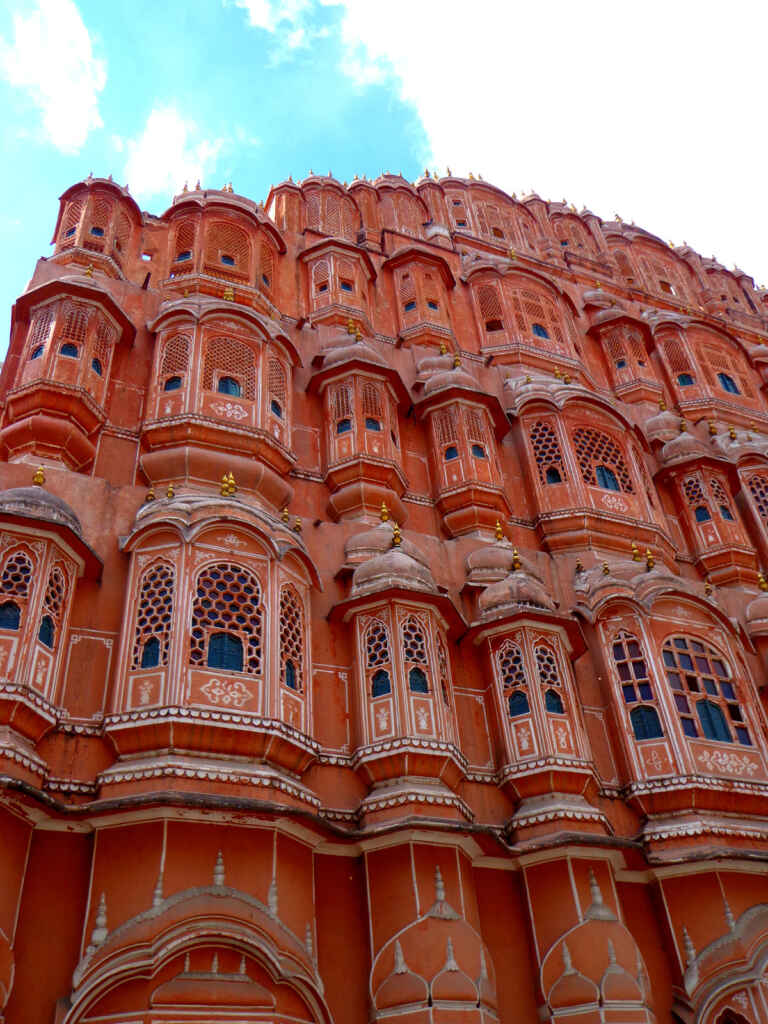
Johri Bazaar is a short walk from the Hawa Mahal so check that out next. This is your first look at Jaipur’s most iconic landmark, a five-storey honeycomb facade of pink sandstone. I recommend going inside properly tomorrow, so for now just soak it in from street level and get your photos.

Have dinner at Tattoo Cafe and Lounge just a few steps from the Hawa Mahal. This rooftop restaurant directly opposite the palace is the perfect place to end your arrival day. It’s pure veg, the food is good, the view and atmosphere are great. Just note that there’s a small cover charge that comes off your bill and you’ll need to arrive a little early to secure a front table.
Settle in with a chai or fresh juice and order dal baati churma, the defining dish of Rajasthan, and watch as the facade lights up for the evening. After dinner head back to your hotel and get an early night before you explore more of Jaipur tomorrow.
Top Tip – The old city streets around Johri Bazaar and the Hawa Mahal are best explored on foot – traffic is chaotic but the distances are small. Ask your hotel to arrange an auto-rickshaw or driver to drop you at Albert Hall and collect you later in the evening from near the Hawa Mahal.
Day 5 – Full Day Tour of Jaipur
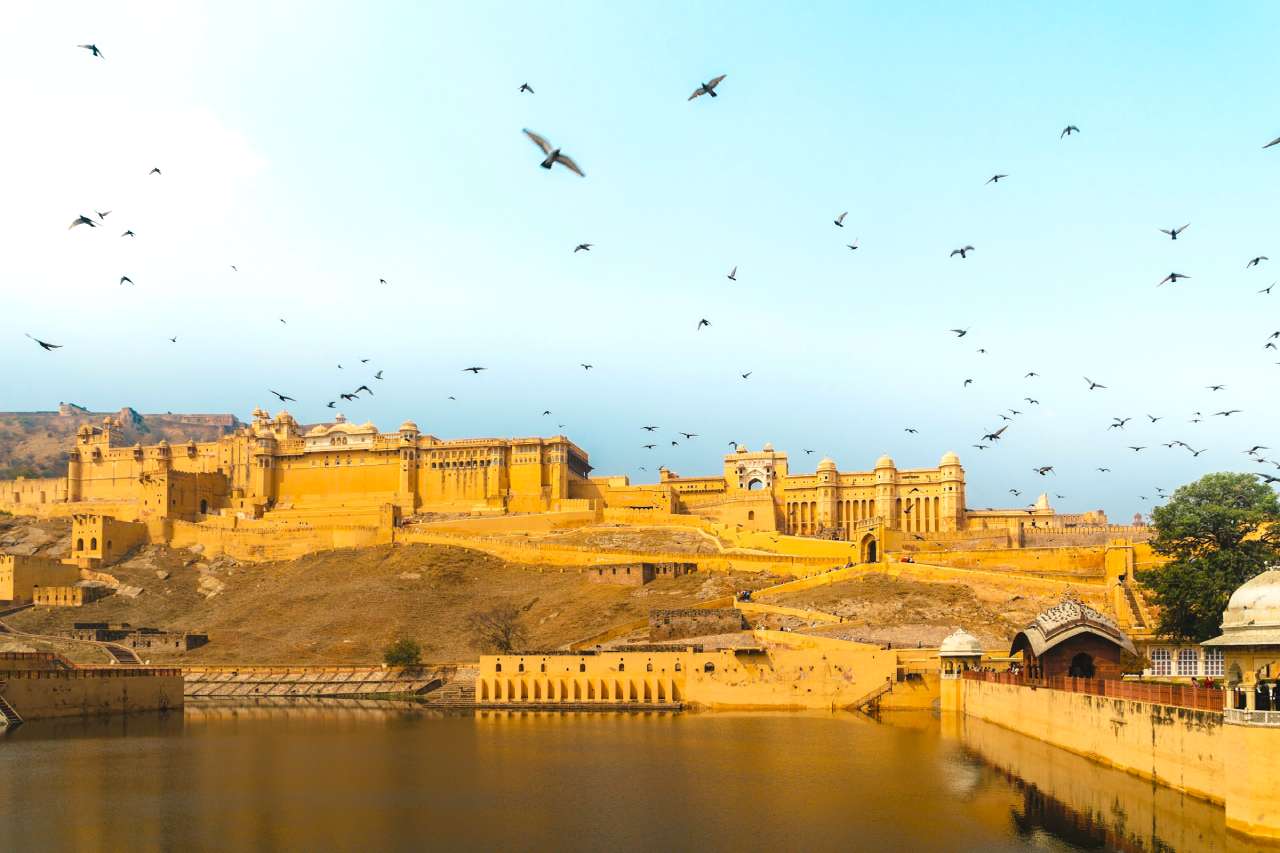
On day 5 of your India itinerary I recommend taking a full day tour of Jaipur and the surrounding area to see some of the most imposing forts and opulent palaces in India. The sights are a bit spread out so having transport for this day makes the most of your time and makes the day less stressful as you don’t have to constantly haggle with rickshaw drivers.
This full day private Jaipur tour is fully customisable so you can spend your time seeing only what interests you. Start by heading to Amer Fort (often called Amber Fort) about 11km outside the city. This is Jaipur’s undisputed highlight, a sprawling Rajput-Mughal fort-palace complex built into a hillside above a lake. The Sheesh Mahal (Mirror Palace) is the must-see, a chamber where thousands of tiny mirrors in the ceiling create a dazzling effect. Get there early to beat the heat and the tour groups and if you love animals – don’t ride the elephants.
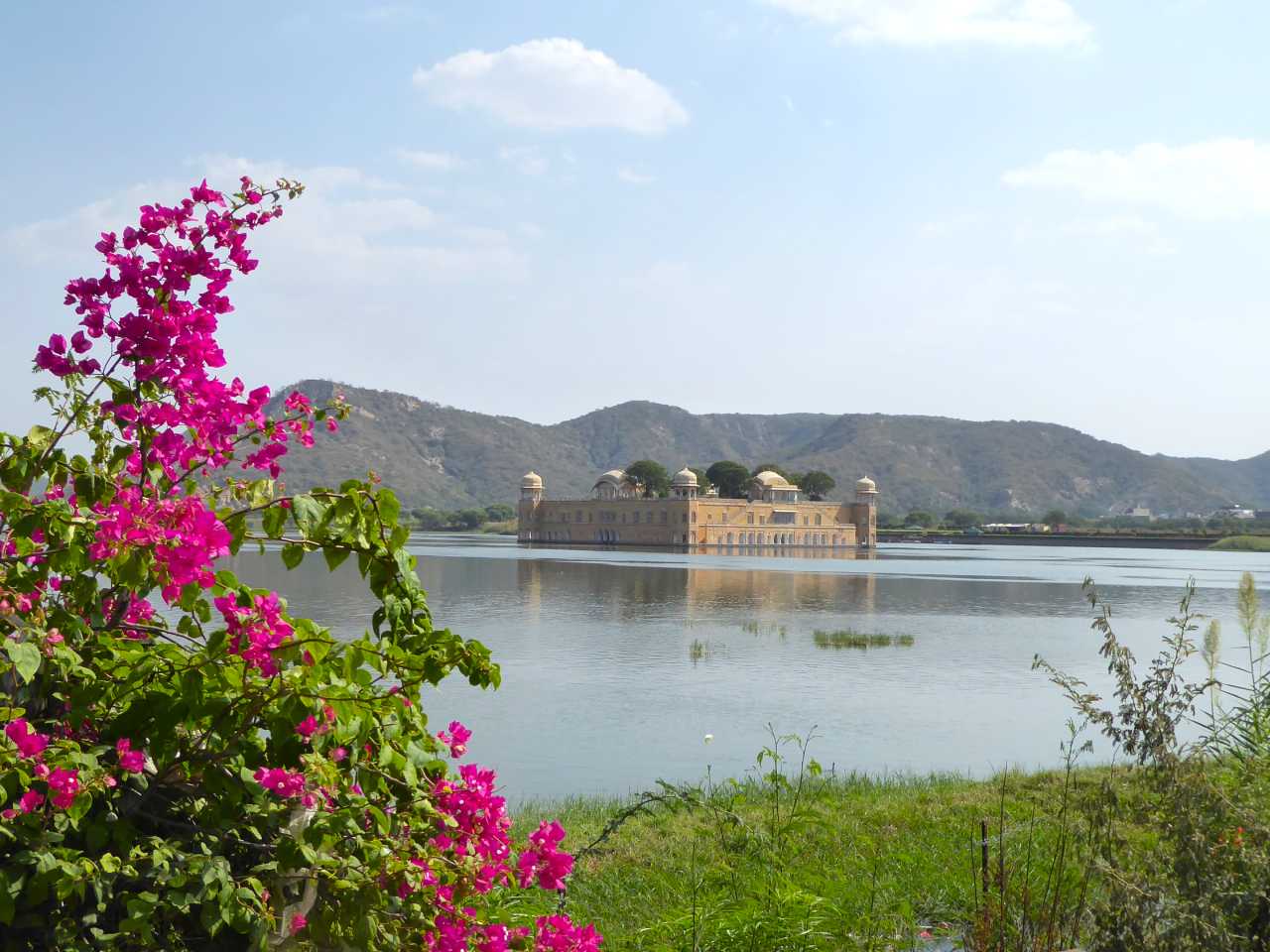
On your way back to the city take a quick photo stop at Jal Mahal, a beautiful water palace that is situated in the midst of Man Sagar Lake. You can’t enter the water palace itself, but the image of the pink sandstone palace seemingly floating in the lake backed by the Aravalli hills is one of Jaipur’s most iconic shots.
Once back in the city head to the Hawa Mahal or Palace of Winds, the most famous landmark of Jaipur. The Palace of Winds is best photographed from the street opposite (that’s the famous shot) but go inside too. It’s a narrow, five-storey structure of honeycombed windows which allowed the royal women to observe the street life without being seen. The views from the top over the old city bazaars below are lovely. It’s not huge but it’s still one of Jaipur’s must sees.
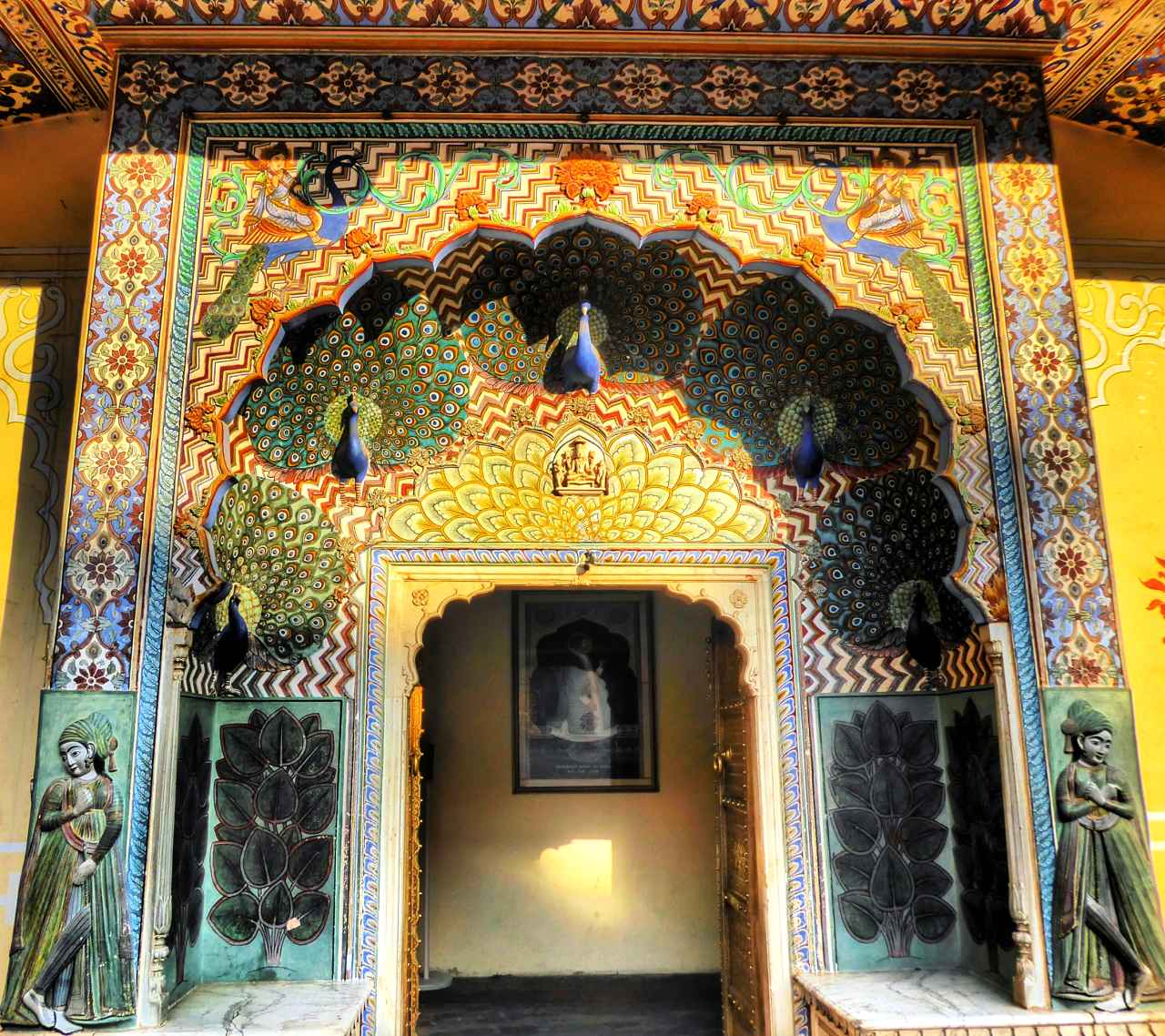
In the afternoon visit Jaipur City Palace, which is still home to the royal family of Jaipur. This is the most substantial stop in the old city and also has three restaurants so you can have lunch here while soaking up the opulent surrundings. The Peacock Gate courtyard with it’s four ornate doorways representing the seasons is spectacular, and the textile and weapons museums inside is worth exploring. Parts of the palace are still occupied by the royal family, which gives it a living quality that most heritage sites lack.
Nearby is another attraction well worth a quick stop – Jantar Mantar. This is an 18th-century astronomical observatory and is one of the most unexpectedly fascinating things you can do in Jaipur.
The perfect way to end the day is by visiting Nahargarh Fort at sunset. This hilltop fort is less elaborate than Amer, but the panoramic views over the entire Pink City spreading out below as the sun goes down are breath-taking. There’s a rooftop bar and restaurant if you want to settle in with a drink and dinner while watchin the light change over the city.
Where to Stay in Jaipur
The best place to stay in Jaipur is either in the heart of the pink city or just outside the city gates. This means you’ll be close to the main palaces and bazaars and be able to soak up the energy and atmosphere of this unique city. Here’s my top picks:
Budget
- Madpackers Jaipur – A sociable, budget-friendly hostel choice for solo and social travellers.
Mid-Range
- Umaid Bhawan – a family-run heritage-style boutique hotel with ornate Rajput-style interiors, a rooftop restaurant and a pool.
Luxury
- Samode Haveli – A stunning 200 year old royal manor and luxury heritage hotel located in the heart of the old city of Jaipur
Getting there: The Shatabdi Express train from Delhi to Jaipur is fast (around 4.5 hours) and comfortable. You can also take a private car transfer from Delhi to Jaipur in about 4 hours.
Days 6–7: Rishikesh – The Yoga Capital of the World
Day 6 – Arrive in Rishikesh

Rishikesh where this India itinerary pivots from the usual Golden Triangle Delhi – Agra – Jaipur route. It adds some travel time but, as a yoga lover, I couldn’t leave out Rishikesh – the yoga capital of the world.
Even if you’re not into yoga, Rishikesh still has much to offer and gives a refreshing change of pace from the hectic cities so I recommend switching it up a bit and heading up to the hills and to one of the most spiritual places in India.
After days of Mughal monuments and Rajput palaces, you arrive at a place that feels like a different country: a small city in the Himalayan foothills sitting on the banks of the holy river Ganges where sadhus wander the ghats and the sound of temple bells fills the air.

Alongside joining a yoga class at an ashram or along the banks of the river, there’s plenty more to do in Rishikesh which is one of the reasons it’s so worth making the trip up.
After checking into your hotel or ashram take a walk along the river and through the town, soaking up the unique spiritual energy. The Ganga Aarti at Parmarth Niketan ashram at sunset is unmissable. Hundreds of people gather on the steps descending to the river as priests perform a fire ceremony, releasing flower-filled lamps onto the water.

Day 7 – Yoga in Rishikesh
Wake early on day 7 for sunrise by the river and make sure to take a yoga class. Rishikesh is the yoga capital of the world for a reason, and even a single class, especially if you’ve never practised before, is a memorable experience especially if it’s done alongside the Ganga.
There are dozens of options from traditional ashram classes to tourist-friendly drop-ins. The hotels I’ve recommended offer yoga classes but you can also take a morning class at Parmarth Niketan or look at the flyers around town and pick what appeals to you. 
A yoga class in RishikeshAfterwards wander over Laxman Jhula, the iconic suspension bridge, and head to a cafe like Ganga View Cafe along the river for a healthy breakfast and warming cup of chai. Then explore Trayambakeshwar Temple, an orange 13 story Hindu temple perched on the banks of the river.
In the afternoon check out The Beatles Ashram (officially Chaurasi Kutia) a popular wander through atmospheric, jungle-reclaimed ruins where the famous band once stayed.
Other things to do in Rishikesh include going white water rafting on the Ganges or going for a hike. The trails up into the hills behind Rishikesh are accessible and rewarding, even an hour’s walk takes you above the town into forest, with views over temples and shrines back down the valley.

Getting there from Jaipur: To save time get a flight from Jaipur Airport to Delhi and then connect to a flight from Delhi to Dehradun (Jolly Grant Airport) which is only about 35km from Rishikesh. You could also take the overnight train to Haridwar (45 minutes from Rishikesh) and then a taxi from Haridwar to Rishikesh.
Where to Stay in Rishikesh
Budget
- Parmarth Niketan – Embrace the spiritual life and stay in the simple rooms in this famous ashram
Mid-Range
- Ganga Kinare – A riverside boutique resort near Triveni Ghat with yoga classes and stunning river views.
Luxury
- Aloha On The Ganges – One of the most popular hotels in the Tapovan area boasting river views, an infinity pool, beach area, yoga and wellness offerings, and consistently great food and service.
Day 8: Travel Day – North India to South India
Day 8 of this India itinerary is spent getting from North India to South India. You’ll need to get from Rishikesh back to Delhi to catch your southbound flight. Take a taxi to Dehradun airport and fly to Delhi first. Then take an afternoon flight to Kochi (Cochin International Airport).
The journey is long (over 1,700 kms) but safe and straightforward by air and much quicker than taking the train that would take over 40 hours. Settle into your hotel in Kochi and explore the city before getting an early night ready to explore tomorrow.
Days 9-10: Kochi – Where Kerala Begins
Day 9 – Explore Fort Kochi
Fort Kochi (or Fort Cochin) is one of the most charming places in India and the perfect place to slow down a bit after all the sightseeing in the north.
Fort Kochi’s mix of cultures means it doesn’t feel like the rest of India, think Portuguese colonial architecture, Dutch buildings, Jewish synagogues, Chinese fishing nets on the waterfront, and spice warehouses turned boutique hotels.
Spend day 9 wandering the lanes of Fort Kochi on foot and exploring the Dutch Cemetery, St Francis Church (the oldest European church in India, where Vasco da Gama was briefly buried), the Paradesi Synagogue in Mattancherry and the galleries and cafés of Burgher Street and Princess Street.
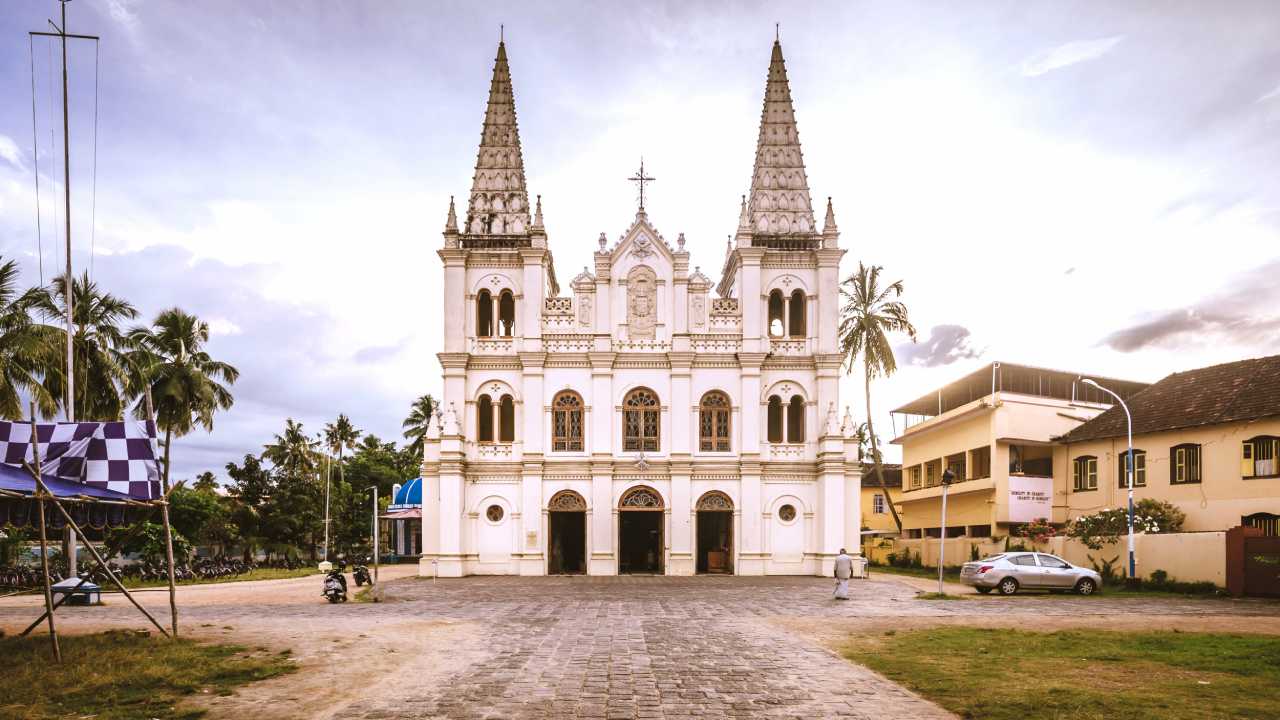
You can explore independently, you’ll find the south to feel much cleaner, more relaxed and experience less hassle but if you want to learn more about what you’re looking at you can also join a heritage walking tour with a local guide.
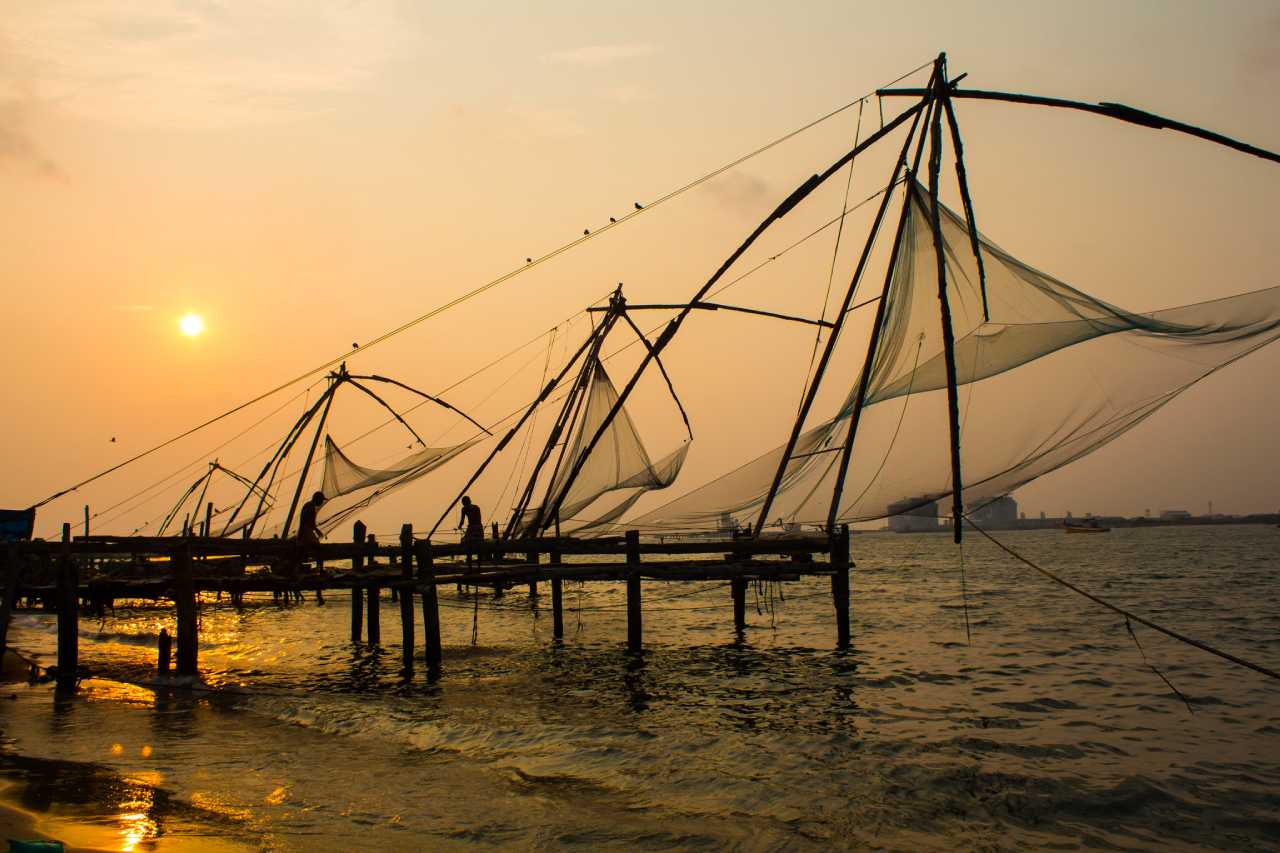
At sunset check out the Chinese fishing nets, Kochi’s signature image. These enormous cantilevered wooden contraptions lower into the Arabian sea and are especially beautiful in the golden hour. The fishermen will sometimes let you try the counterweight ropes in exchange for a small tip.
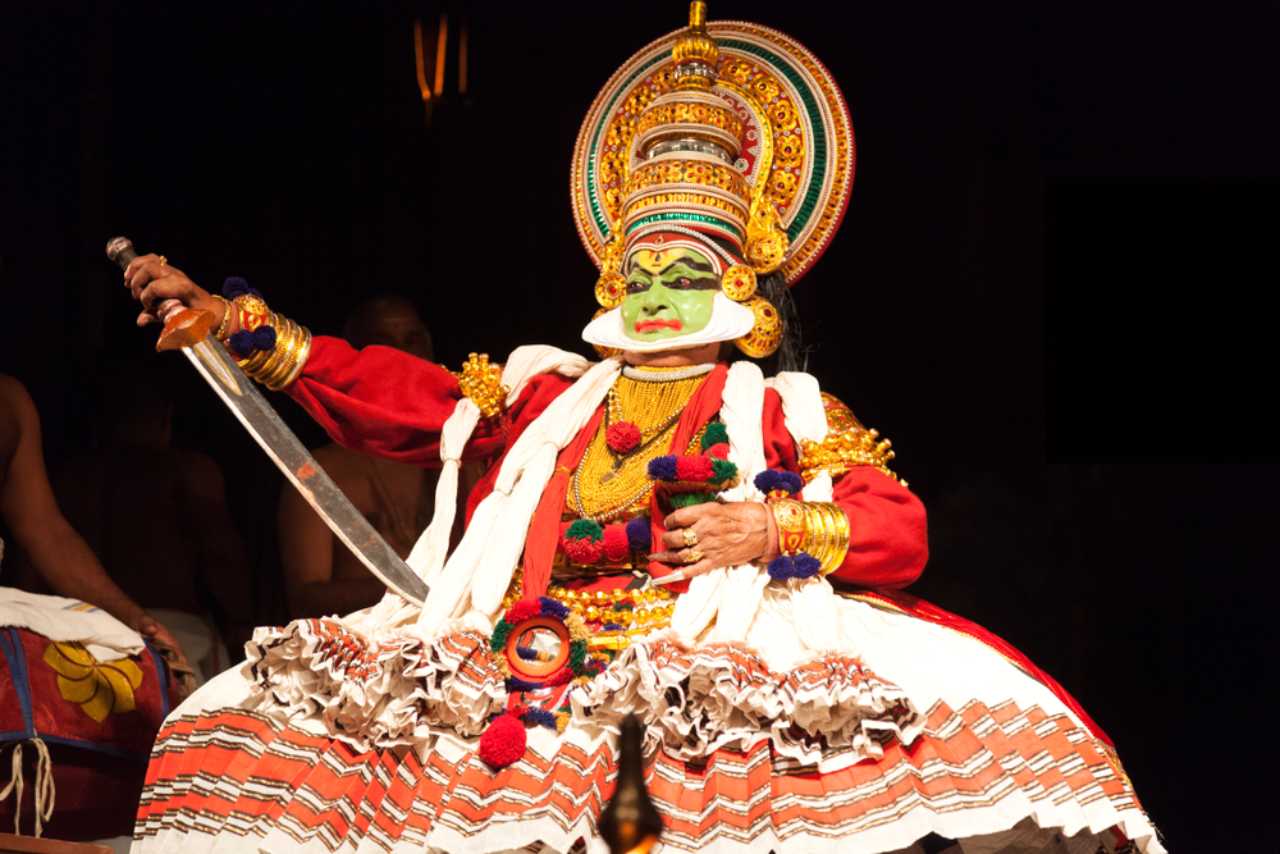
In the evening, catch a Kathakali performance. This ancient Kerala dance-drama form is performed in elaborate face paint and costume and is one of the great art forms of South India. There are tourist-friendly 90-minute performances in Fort Kochi nightly; arrive early to watch the make-up being applied, which is half the spectacle. The show is popular so you can book your tickets here to avoid disappointment.
Day 10 – Beach Day
On day 10 you could spend the day exploring more of lovely Fort Kochi, doing some shopping for spices and souvenirs and visiting one of the traditional spas to indulge in some Ayurvedic treatments like a relaxing massage. Kerala is the home of this ancient life science so there’s no better place to try. Ayurveda Sanctum is one of the best. There’s also plenty of places offering yoga classes in Kerala too.
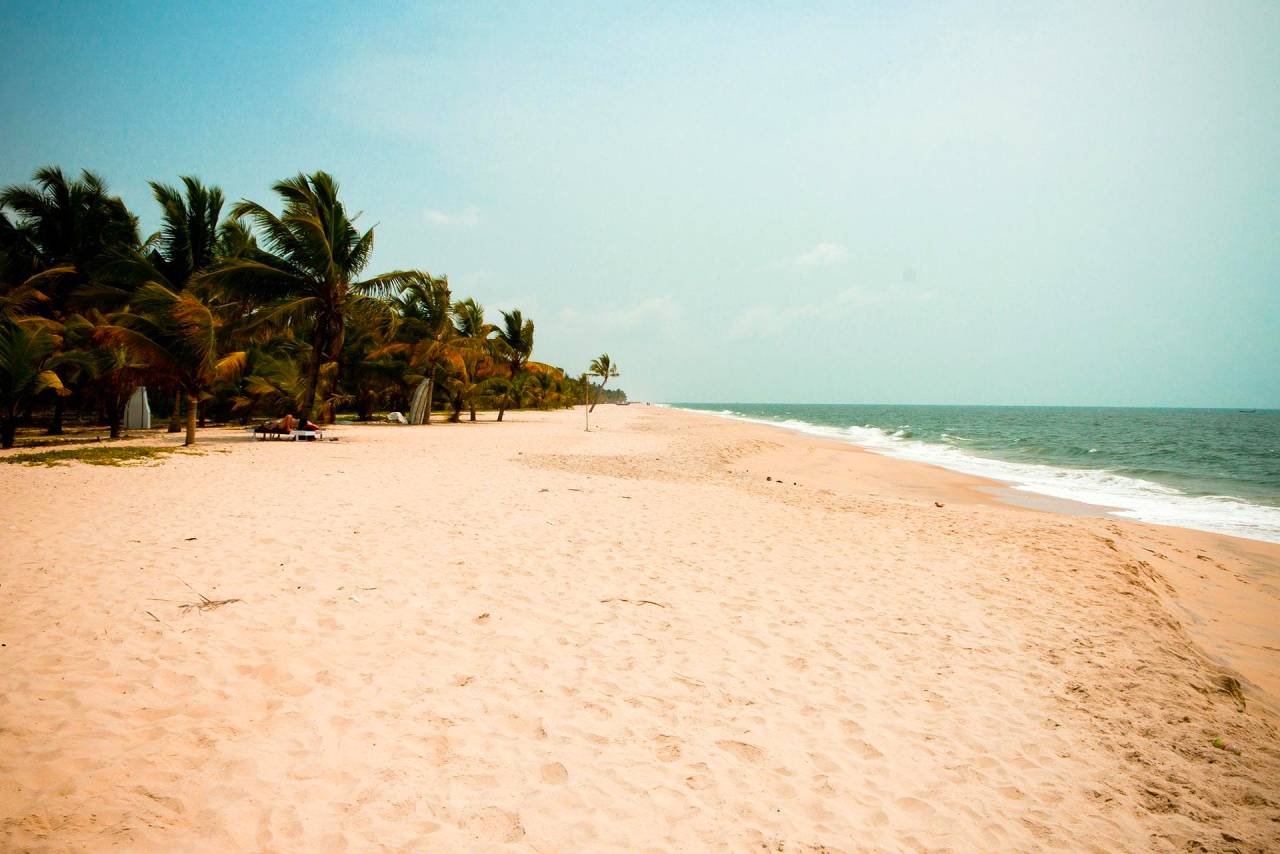
You could also spend the day enjoying the beaches near Kochi. There are several beaches to choose from, Cherai Beach is widely considered the best and most accessible beach near Kochi, located about 25–30 km away on Vypin Island offering a long stretch of golden sand ideal for swimming, sunbathing, and, if your lucky, spotting dolphins.
There’s also Marari Beach, a peaceful and pristine beach 60 km south of Kochi, which sees less crowds and offers a complete escape perfect for relaxing. Make sure you stick around for a glorious sunset over the Arabian sea.
Where to Stay in Fort Kochi
Fort Kochi will be your base for exploring Kerala and has some of the loveliest guesthouses in India, many are Portuguese or Dutch houses with courtyards and original tile floors converted into guesthouses and boutique B&Bs. Book in advance; the best ones fill up.
Budget
- The Hosteller Fort Kochi – Situated in a brilliant location walkable to all the sights with friendly, helpful staff, clean dorms and private rooms.
Mid-Range
- Dutch Bungalow Heritage Hotel – A charming converted colonial bungalow with a lovely pool in a central courtyard and a calm, peaceful atmosphere despite being close to everything.
Luxury
- Brunton Boatyard, a CGH Earth Experience — A stunning waterfront heritage hotel right on the harbour, in the style of a 16th-century Portuguese-Dutch colonial property. Rooms overlook the sea, the food is excellent and the complimentary sunset cruise on the backwaters is a special experience.
Day 11 – 12: Alleppey And The Backwaters

Alleppey (also known as Alappuzha) is the gateway to Kerala’s famous backwaters – a network of canals, lagoons and lakes that stretch along the coast, where pastoral Kerala life still plays out on the water much as it has for centuries think fishermen in dugout canoes, women washing clothes on stone steps, coconut palms reflected in still water.
A one-night stay on a houseboat (kettuvallam) is one of the great travel experiences in India. These converted rice barges, some basic, some extraordinarily luxurious, drift slowly through the backwaters while your crew cooks fresh Kerala meals on board. You moor up for the night somewhere quiet, wake to birdsong, and watch the sunrise over the water. It’s genuinely special.
Book your houseboat in advance, especially if travelling between October and March. You can find houseboats, read reviews and book on Booking.com. One of the best houseboats is Spice Coast Cruises who are part of the CGH Earth group so they are one of the most luxurious and eco friendly options. An overnight stay includes a private air conditioned cabin on the boat complete with ensuite bathroom and all meals and activities.
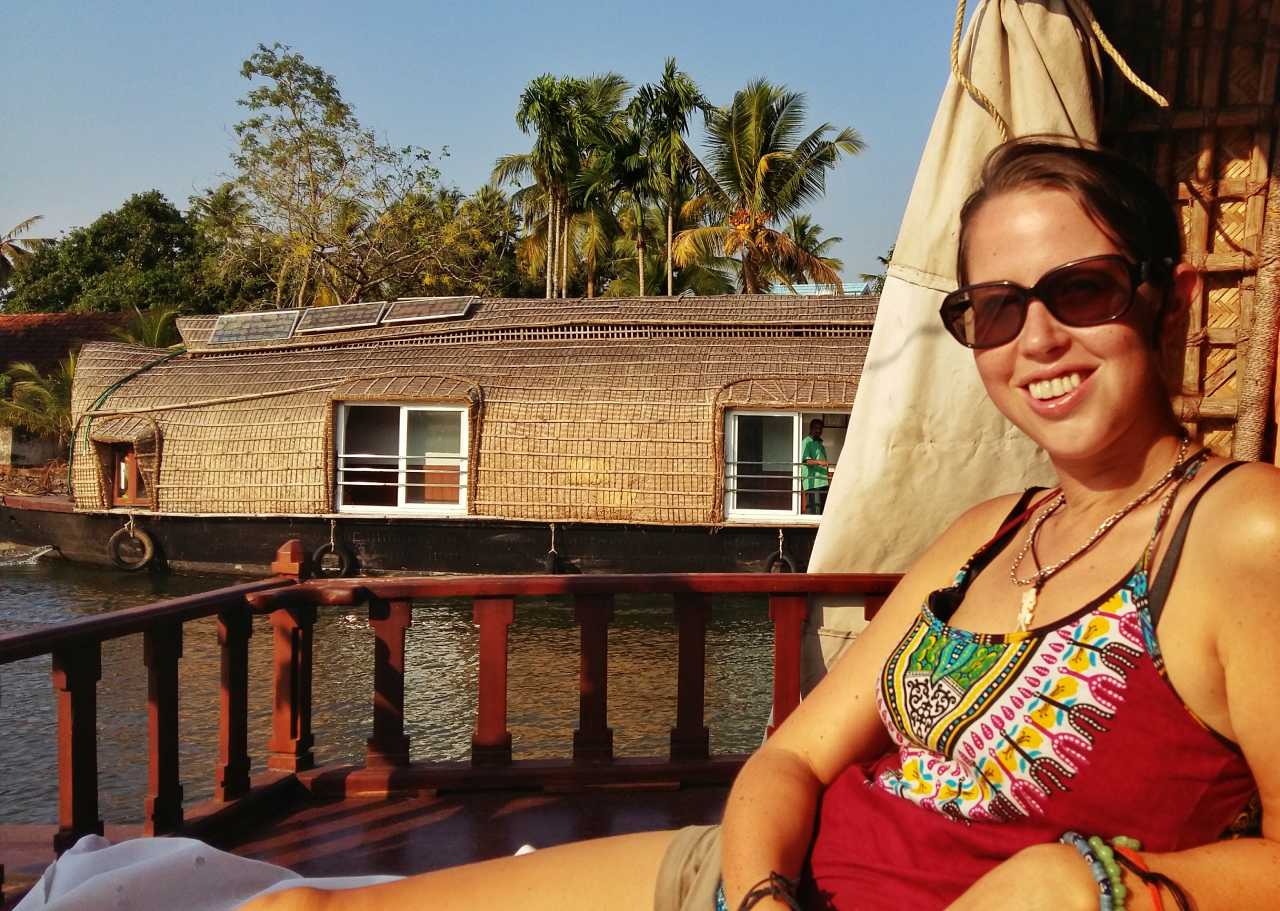
You can also book an 2 day 1 night private houseboat cruise package on Get Your Guide which includes pick up and drop off from Kochi as well as deluxe accommodation, all meals and a scenic cruise. Definitely take the chance to go on the smaller canoe through the narrow channels that the houseboat can’t go through for a closer look into life on the backwaters.
If you’d prefer to sleep on dry land there are also some excellent boutique homestays and resorts on the tranquil backwater channels that give you the same serene beauty and atmosphere. One of the best is CGH Earth Coconut Lagoon, a 5 star eco-luxury heritage resort located on the shores of Vembanad Lake accessible only by boat.
And if you’re on a budget don’t worry, you can still cruise the backwaters on this affordable backwaters day trip from Kochi.
Getting there from Kochi: Around 1.5 hours by taxi.
Day 13: Munnar Day Trip
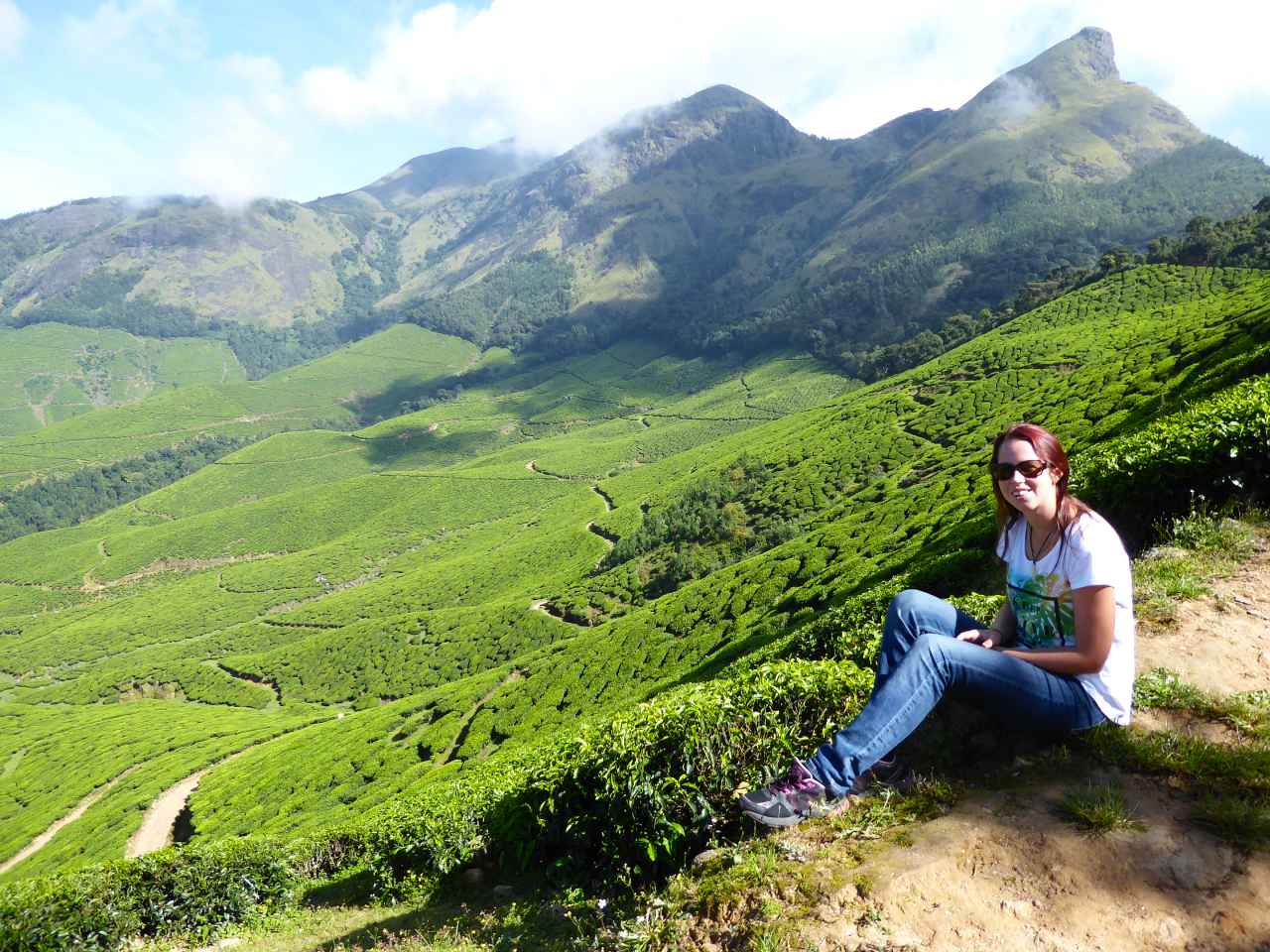
On your last day in India take a day trip up to Munnar see the tea plantations – another totally different side to India that anything you’ve seen before.
Munnar sits at around 1,600 metres in the Western Ghats, surrounded by some of the most beautiful tea plantation scenery in the world. The drive up from Kochi takes about 4 hours but is spectacular in itself. You ascend through rubber plantations, waterfalls and hairpin bends into a cool, misty landscape of rolling green hills covered in tea bushes.
Head up in the morning and then in the afternoon, walk through one of the working tea estates – several offer free or low-cost guided tours showing the full process from leaf to cup. The Tata Tea Museum in town is worth an hour if you’re curious about the history of the tea industry here.
Getting there: It’s best to hire a private car from Kochi. This is more flexible and far more enjoyable than a bus, given the winding roads, and you get to stop for sightseeing along the way. The best way to see Munnar in one day is with this easy Munnar day trip package from Kochi which includes transportation in a private air conditioned car and a guide. You’ll make stops along the way to see waterfalls, dams, viewpoints, spice farms, tea plantations and the tea museum.
Alternatively, if you wanted to skip the hassle of booking hotels, transport and tours yourself there are some great Kerala packages like this 4 day private Kerala tour of Munnar, Alleppey and the Backwaters that leaves from Kochi and also includes Periyar National Park and Wildlife Sanctuary. By having a private car and driver for the whole trip you’ll be able to see more than you could do on your own or by using public transport and make the most of your time with the least hassle.
Day 14 – Fly Home
If you only have 2 weeks in India then day 14 is departure day. Take a domestic flight from Kochi Airport back to Delhi to catch your international flight home.
Alternatively – Other Places To Include on your India Itinerary
If you’ve got more time, or if you just prefer to keep travel times to a minimum and want to explore more of northern India you could skip Rishikesh and the southern India part of this itinerary and and explore more of Rajasthan after the Golden Triangle. This is a classic route for a first trip although it doesn’t give you as much diversity as doing north and south.
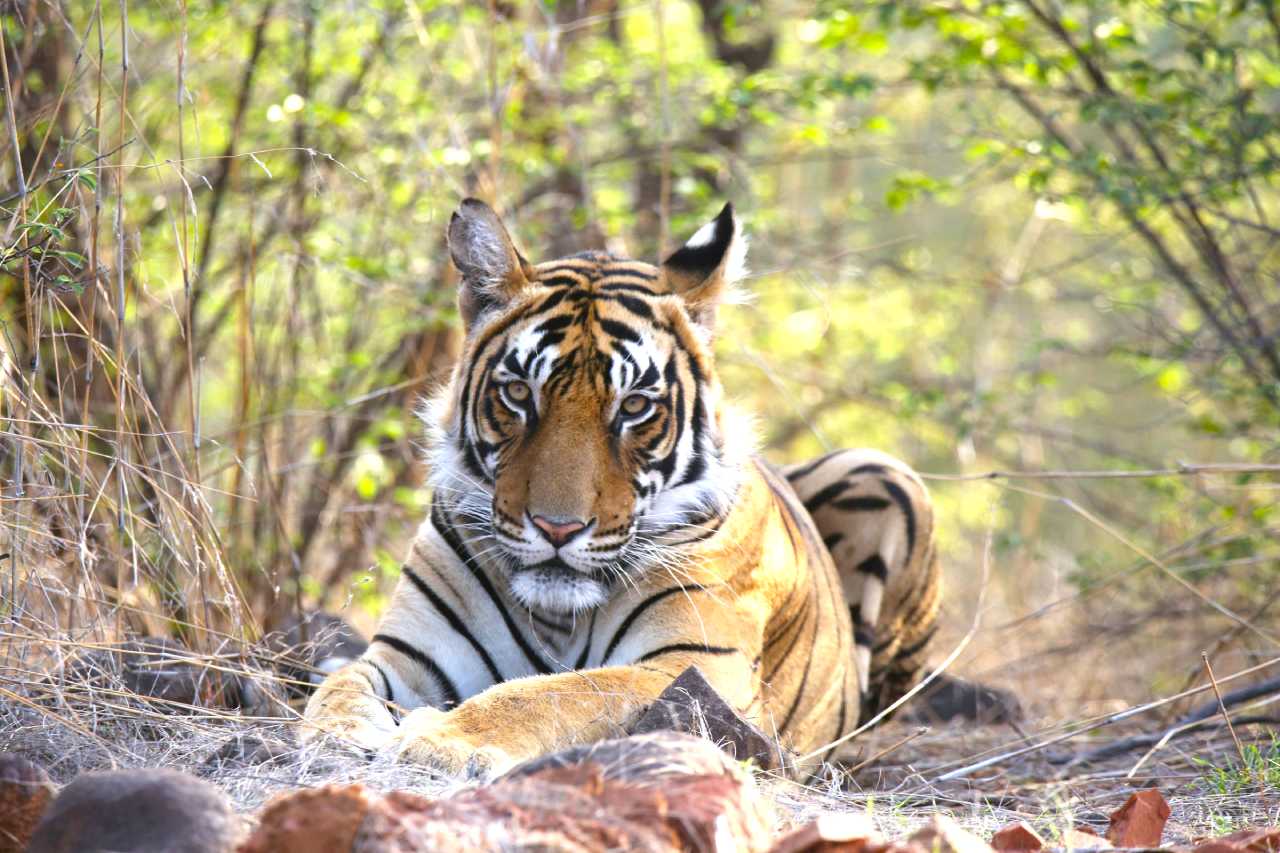
To extend your trip in north India, take a day trip from Jaipur to Ranthambore National Park to try your luck spotting a tiger in the wild. The park is one of the biggest and most renowned national parks in Northern India so it’s your best chance.
If you’d like to go deeper into Rajasthan instead of heading to Rishikesh, Jodhpur is a fantastic addition. The “Blue City” has a dramatic desert setting and the mighty Mehrangarh Fort towering above indigo-painted houses. It feels less hectic than Jaipur and more atmospheric at sunset.
Udaipur is another of my favourite places to visit in India. Udaipur offers lakes, palaces and a more romantic setting. You can take a tour of the Udaipur City Palace and a boat ride on Lake Pichola visit the Monsoon Palace and, if your budget allows it, stay in the Lake Palace Hotel made famous in the James Bond Film – Octopussy.
And if you’re drawn to smaller towns with a spiritual edge, Pushkar, a holy city in rural Rajasthan, is another option – a sacred lake town with temples, rooftop cafés and a slower desert-town vibe.
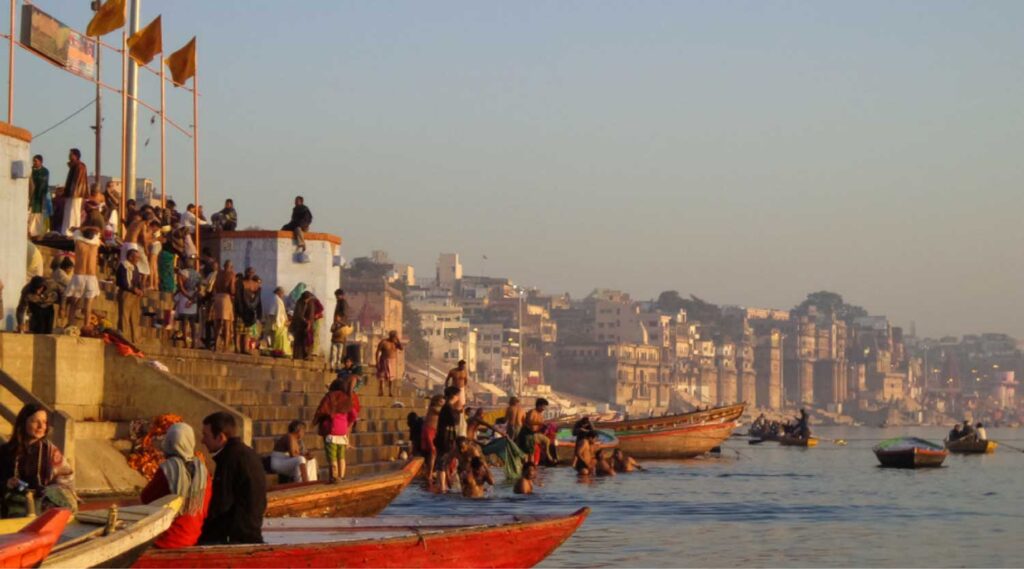
In the opposite direction, but by no means any less interesting, is Varanasi in Uttar Pradesh one of the oldest continuously inhabited cities in the world. It’s intense, ancient and deeply moving. Taking a morning boat ride and watching the sunrise over the Ganges as life unfolds along the ghats or witnessing the cremation ghats where Hindus believe they escape the cycle of death and rebirth is one of India’s most powerful experiences. It’s not peaceful in the same way Rishikesh is, it’s raw and layered but it offers a profound cultural immersion. It’s best to take a guided tour with a local so you understand what you’re seeing.
Another place that I can’t fail to mention is Goa. If you’re looking for beaches, history and nightlife then the former Portuguese state and party capital of India is a short flight from Delhi and a good alternative to Kerala.
I hope I haven’t confused you with so many options. The fact is there’s no single “correct” India itinerary and what you choose to do depends on whether you want to experience the diversity of both north and south or if you want to keep travel time to a minimum and focus on palaces, history and spirituality.
The key is not to add everything at once, especially if you’ve only got 2 weeks to play with. India is a huge country and works best when you allow space between destinations rather than turning it into a sprint – that’s why creating an itinerary for India is so hard – there’s no standard route here like there is in Southeast Asia so everyone’s trip will be different. It’s just a case of deciding which places interest you the most and then coming back for more next time!
Practical India Travel Tips

When to Go
October to March is the classic window for this route. The north is clear and dry (though Delhi can be foggy and polluted from just after Diwali in November through to January), Rajasthan is warm and perfect, and Kerala is at its green, post-monsoon best. April and May bring brutal heat to the north (40°C+ in Rajasthan). June to September is monsoon season – not impossible, but the south is very wet and some experiences become difficult.
Visas
Most nationalities must apply for an Indian e -Tourist Visa online before travel. The process is a little long and takes 3-5 business days so apply at least a week before departure. Check the official Indian government visa portal (indianvisaonline.gov.in) and be wary of third-party sites that charge inflated fees.
Getting Around

There are many ways to get around India. Trains are the backbone of Indian travel and are brilliant once you understand the system and if you book well in advance. The official website is IRCTC (the official Indian Railways booking platform.) Popular routes sell out weeks ahead in peak season. AC 2-Tier (2A) or AC 3-Tier (3A) classes are the sweet spots for most travellers: safe, cool and comfortable.
Buses are the other major part of India’s transport network and often reach places trains don’t, especially hill towns and smaller cities. You’ll find both government-run and private operators, with options ranging from basic non-AC buses to modern air-conditioned Volvo sleeper coaches. Buses are not as comfortable as trains but are an alternative if trains are fully booked. You can book buses on 12Go Asia.
Domestic flights in India are generally affordable and efficient. For the Delhi–Kochi leg on Day 8, IndiGo, Air India, and SpiceJet all fly the route multiple times daily. Direct flights take just 3 hours. You can also book flights on 12Go Asia.
For shorter transfers and day trips it’s best to hire a private car and driver. It costs more than public transport but dramatically reduces friction and the chance of getting scammed – your driver handles transport, parking, navigation, and can offer genuine local knowledge. Negotiate a fixed price before you depart or book a package on trusted platforms like Viator and Get Your Guide where you can see reviews from previous guests.
For the popular Golden Triangle section there are numerous great value package tours available with a private driver, hotels and all transfers included that take the stress out of traveling India. This Golden Triangle Tour is highly rated.
Accommodation
India has accommodation for every budget and taste. In the north, heritage havelis and Rajasthani palace hotels are extraordinary experiences and often surprisingly affordable. In Kerala, guesthouses in restored colonial buildings and riverside homestays are the highlights.
Booking.com, Agoda and Airbnb all work well. For unique local stays like houseboats in Alleppey, historic palaces in Jaipur and heritage guesthouses in Fort Kochi booking ahead is essential between October and March.
Staying Safe and Healthy

India’s stomach bugs are real. Drink bottled or filtered water exclusively, be cautious with street food early in your trip on your first visit (your gut needs time to adjust), and carry oral rehydration salts and medicines like Imodium in case of the dreaded Delhi belly. Fortunately, medical care is very affordable in India and most pharmacies stock everything you’ll need.
That said, don’t be too paranoid – the street food in India is some of the most incredible on earth, and millions of people eat it daily without issue. Use your judgement and go to places where there is a queue of locals or join a food tour to eat at the best, and safest, places.
Travel insurance is non-negotiable. Make sure your policy covers medical evacuation and hospitalisation. India has excellent private hospitals in major cities, but rural areas are a different matter.
India is a generally safe country for travellers. The usual common sense applies: keep an eye on your belongings in crowded areas, be cautious with unsolicited ‘help’ at railway stations and tourist sites (the commission-based tout culture is pervasive), trust your instincts and dress conservatively to avoid unwanted attention.
Indian Cuisine
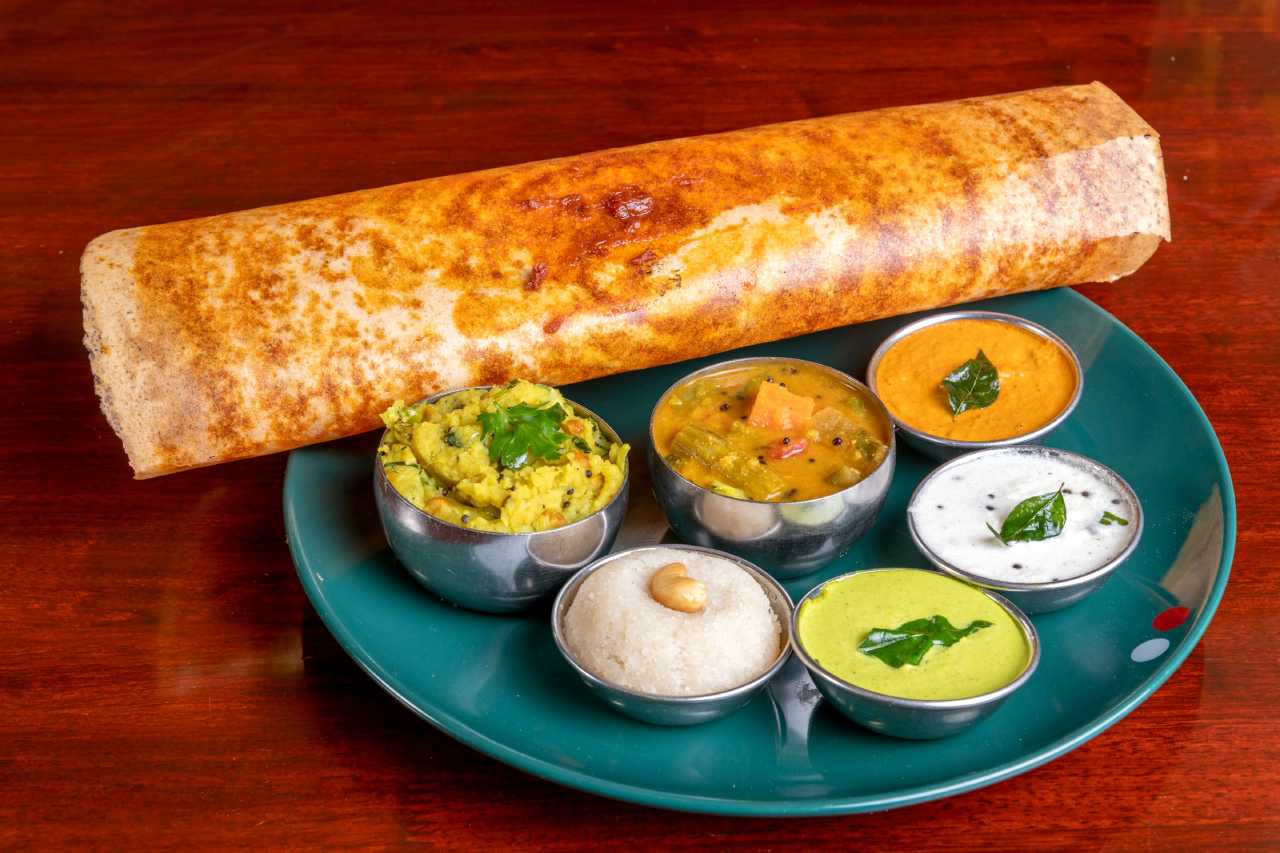
Indian food is such a huge part of the experience – there’s so much delicious food and the cuisine varies dramatically from North to South.
In North India, expect rich Mughal-influenced dishes: creamy curries, tandoori breads, kebabs and buttery dals. Rajasthan leans into bold spices and hearty vegetarian plates, while Delhi is a street food capital where you can try everything from chaat to stuffed parathas. Down in Kerala, the flavours shift completely. Coconut, curry leaves and seafood take centre stage, meals are often served on banana leaves, and breakfasts might include dosa, appam or puttu instead of paratha.
My biggest tip is to eat where it’s busy and freshly cooked. Stick to bottled water, avoid raw salads and ice unless you’re in higher-end restaurants, and ease into spice levels rather than diving in on day one. India caters well to vegetarians, and in many places vegetarian food is the default rather than the exception. If you’re unsure what to order, ask for a thali – it’s the easiest way to sample a little of everything and understand regional flavours in one sitting.
If you want to learn how to recreate your favourite Indian food at home you can take an Indian cooking class in many of the popular tourist destinations. They are usually held in a local’s home which makes it a nice way to get to know the locals as well as the Indian cuisine.
Money
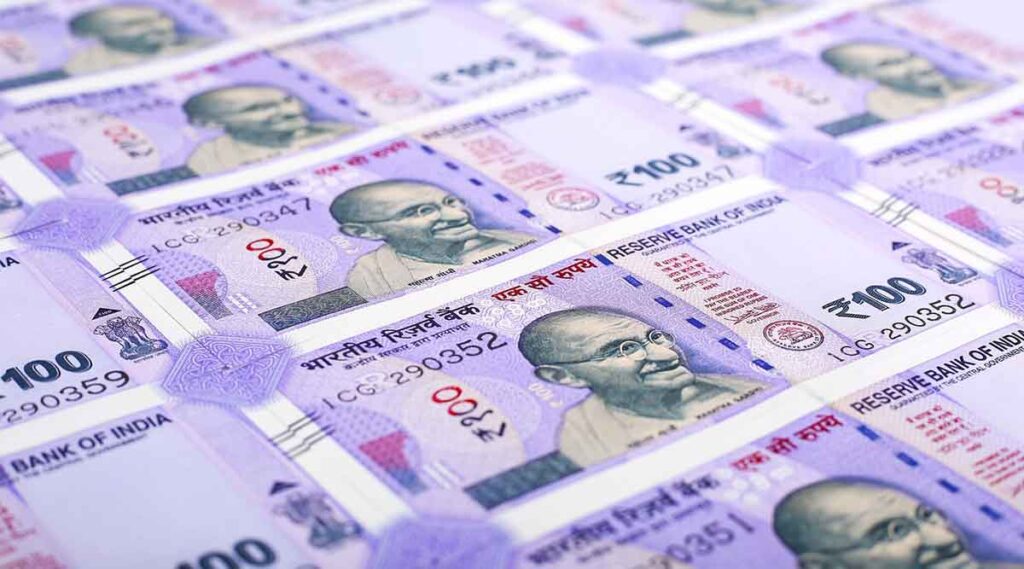
The Indian Rupee (INR) is the currency. ATMs are widely available in cities and most towns; smaller businesses can be cash-only so carry enough. Notify your bank before travel. Forex exchange desks at airports are convenient but often give poor rates – a Thomas Cook or authorised money changer in the city will do better.
Bargaining is expected in markets and for auto-rickshaw fares where meters aren’t used. In restaurants, hotels, and formal shops, prices are fixed. A good rule of thumb: if there’s no price tag, ask the price first and expect to haggle.
UPI payments (India’s instant bank transfer system) are now accepted almost everywhere, however it is difficult for travellers to set up an Indian bank account to use one. For most first-timers, cash and card will be perfectly sufficient.
Cultural Etiquette

Indians are generally very friendly and curious about travellers and many speak English well so it’s quite easy to connect with the locals on your travels but be aware of cultural etiquette.
Always remove your shoes before entering temples, mosques, and homes. Wear modest clothing shoulders and knees covered for both men and women not only at religious sites but to avoid unwanted attention.
Ask permission before photographing people, particularly at religious ceremonies and in rural areas. Accept hospitality when it’s offered, even if it’s just a cup of chai – refusing can cause offence.
The head wobble is real, and it means different things in different contexts. Most commonly it signals agreement, understanding, or a friendly acknowledgement. You’ll start doing it yourself after a couple of days without even noticing – it’s infectious!
Final Thoughts: Is 2 Weeks in India Enough?

No, 14 days in India is never enough. But it’s a good start.
What this India itinerary gives you is breadth with depth – a genuine cross-section of what makes India unlike any other country on earth. You’ll see some of the greatest monuments ever built, stand in the footprints of the Mughal emperors, chant by the Ganges at sunset, drink chai in the Himalayan foothills, drift through ancient backwaters, and eat some of the best food in the world.
India is simply incredible but be warned that you’ll also get frustrated, confused, overstimulated, overcharged, and occasionally slightly ill. This is not failure. This is India working on you, and it’s all part of it.
Come back – you’ve only scratched the surface of what this incredible country has to offer!
